
Dopamine Control: Inside a Racer’s Mind
By Chris Booth, @EdgeOfAdhesion
Photography by Chris Booth
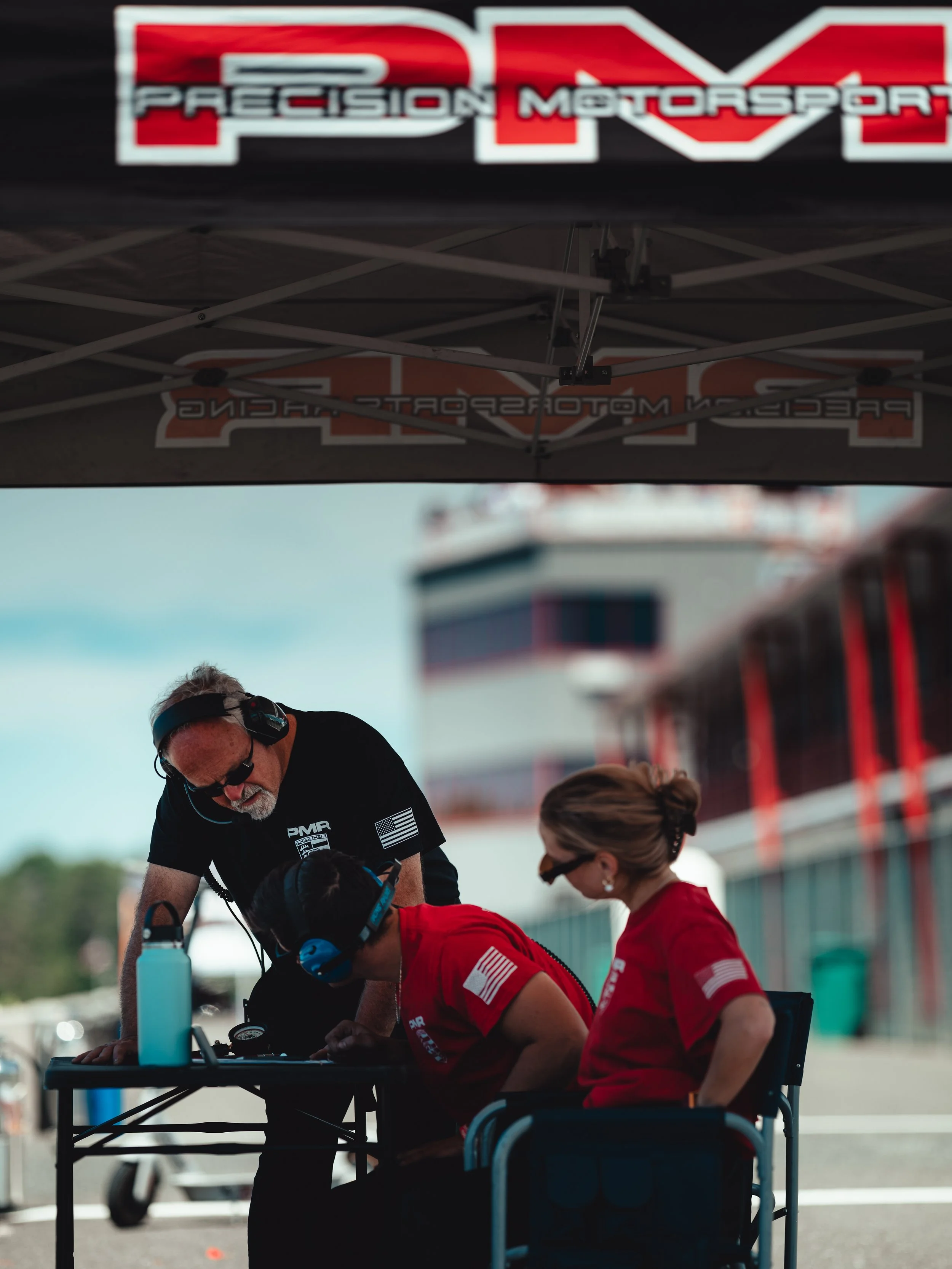
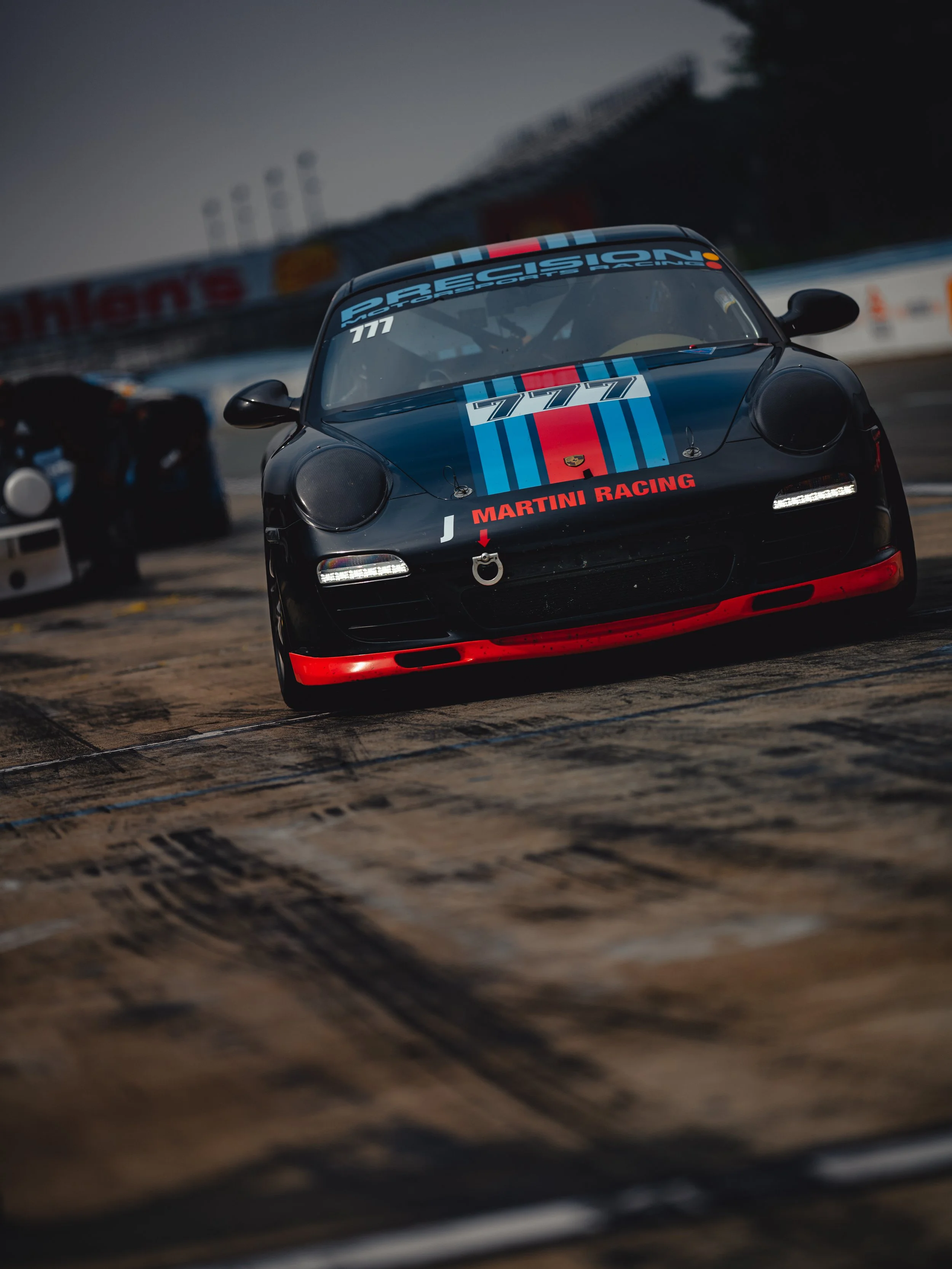
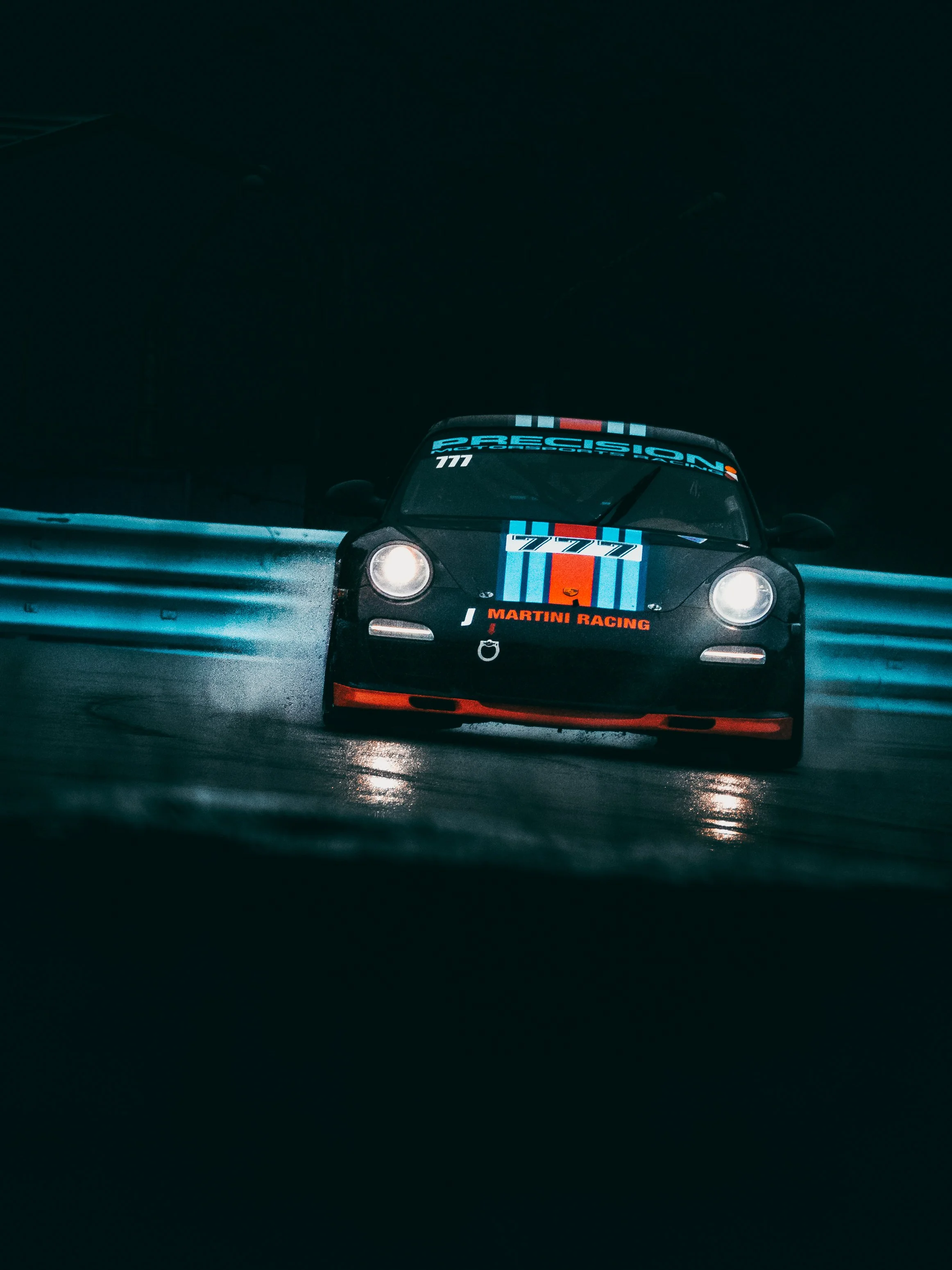
Team: Precision Motorsports Racing
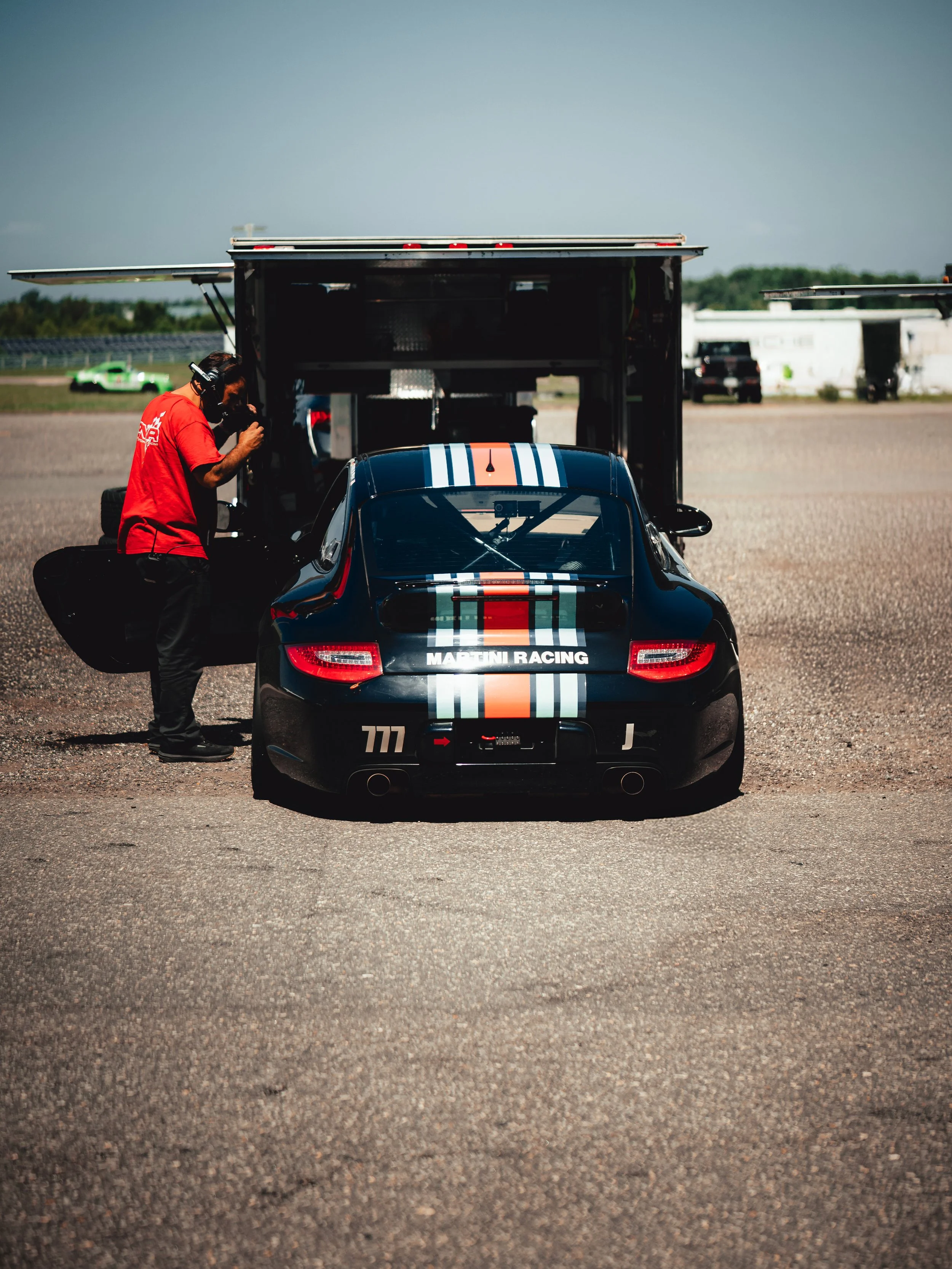
Driver: Franklin Pray, Porsche GTB1
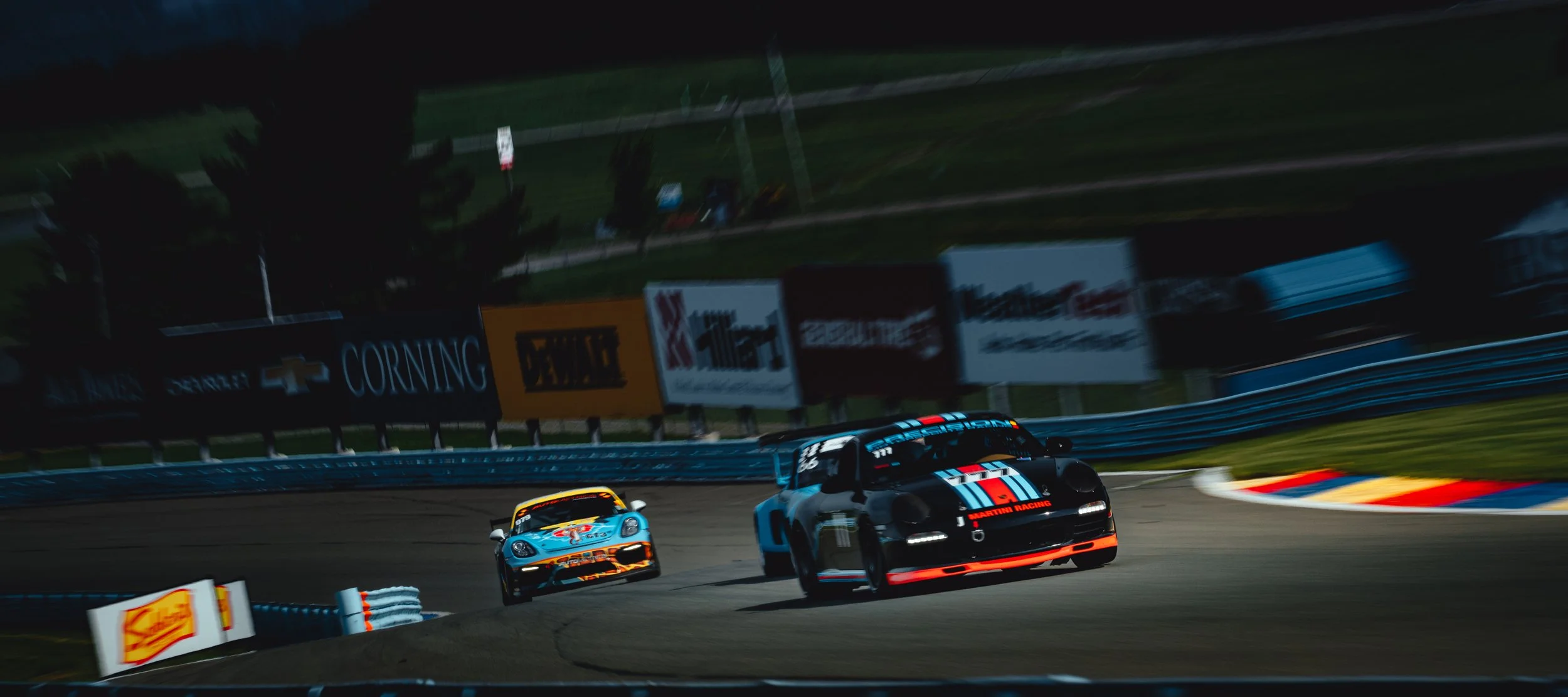
Franklin Pray, PRESTIGE MOTORSPORTS and the Will to Succeed
2025 started with a simple question: What’s going through a driver’s head as they sit on grid?
I expected strategy talk, mental chess moves, maybe flashes of fear? Instead, driver after driver gave me the same boring answer: NOTHING. No noise, no internal hype reel. Just calm. Blank slate seconds before the chaos.
That idea sat for months, idle like a project car parked under a tarp - collecting leaves, waiting for attention.
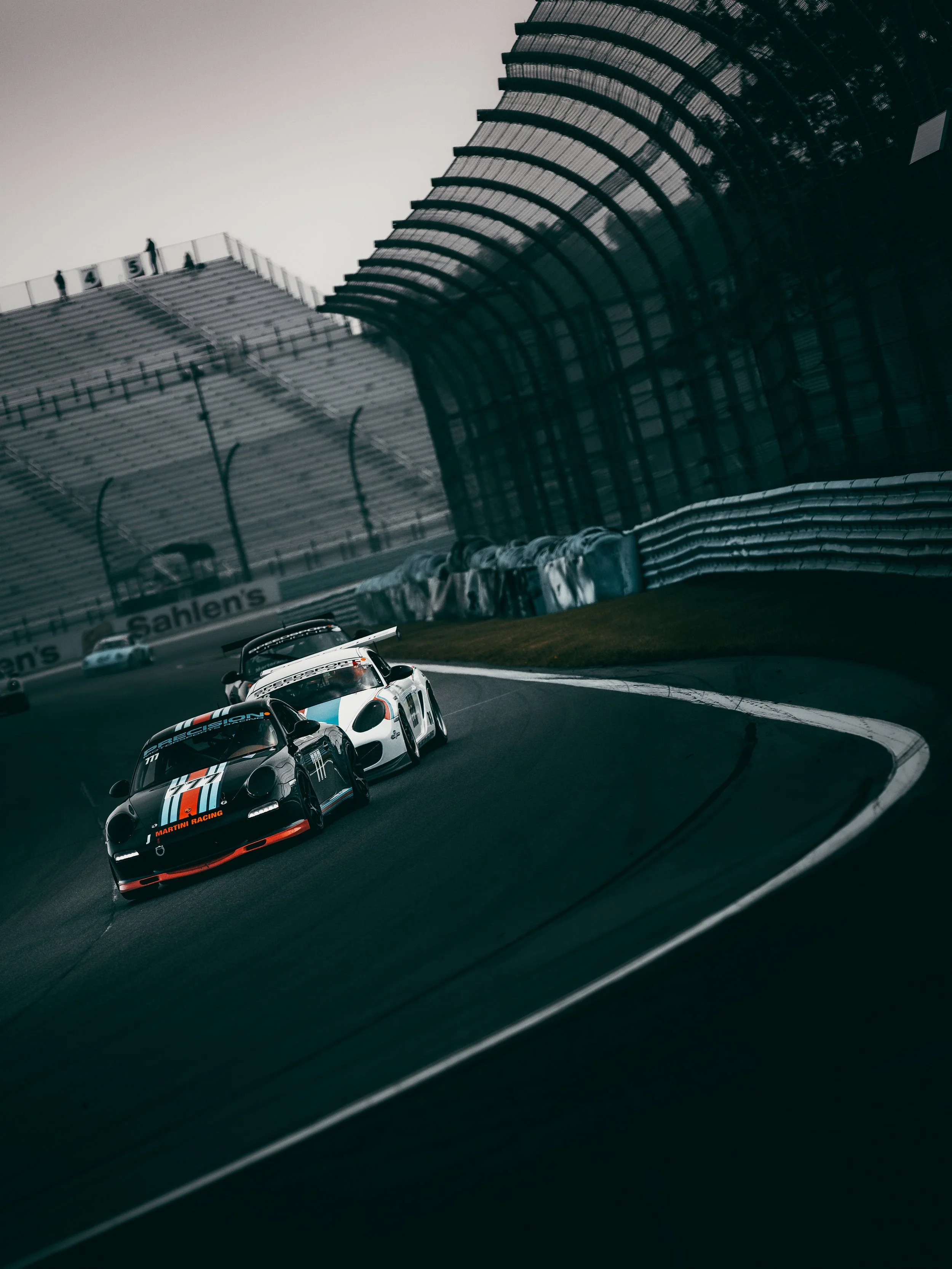
Then came the Porsche Club of America, Clash at the Glen 2025.
When Plans Meet Reality
My race weekends have a rhythm, almost ceremonial: gear packed tight, camera cards cleared, hotels booked, backup plans lined up for everything because something always fails.
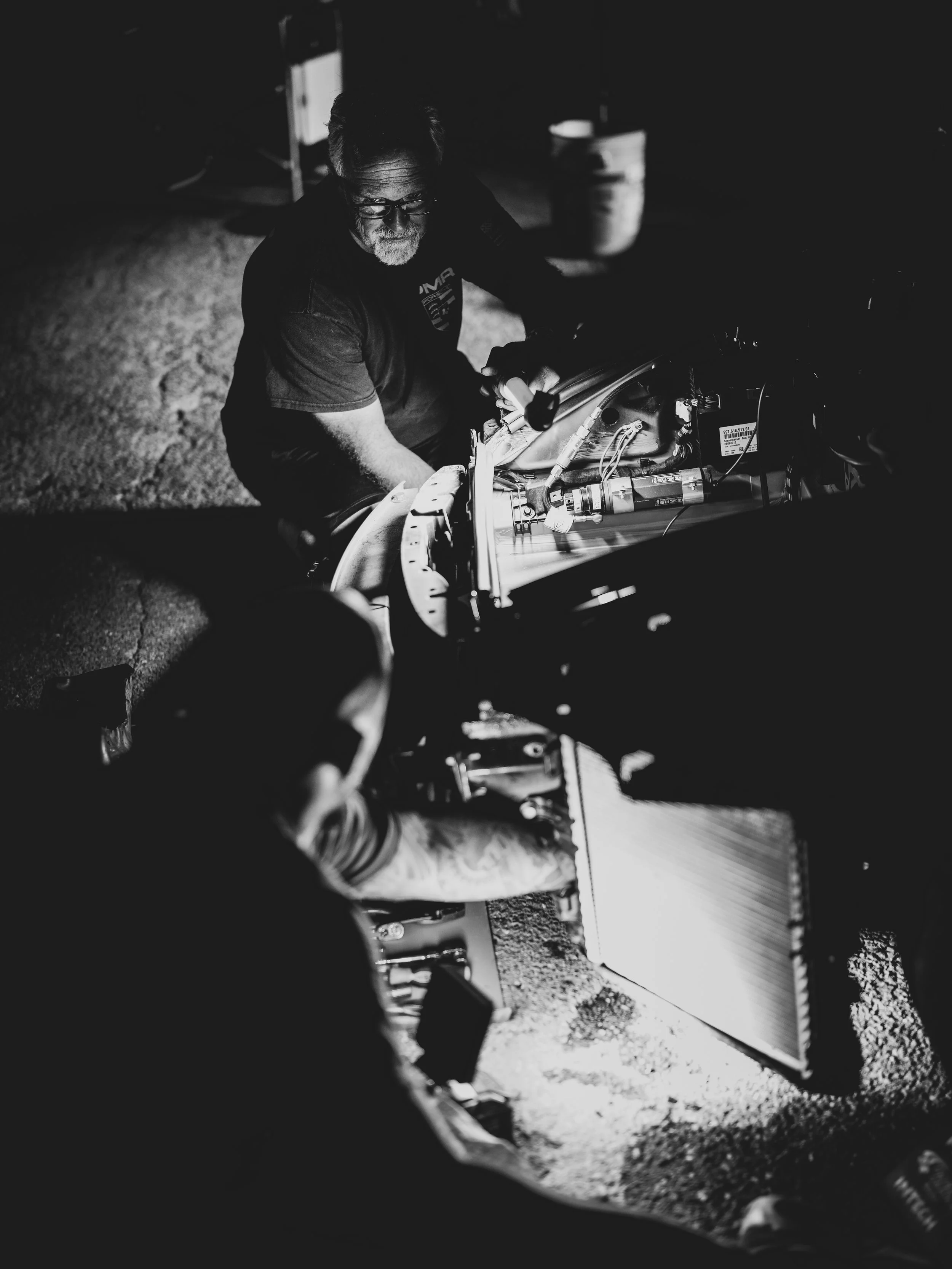
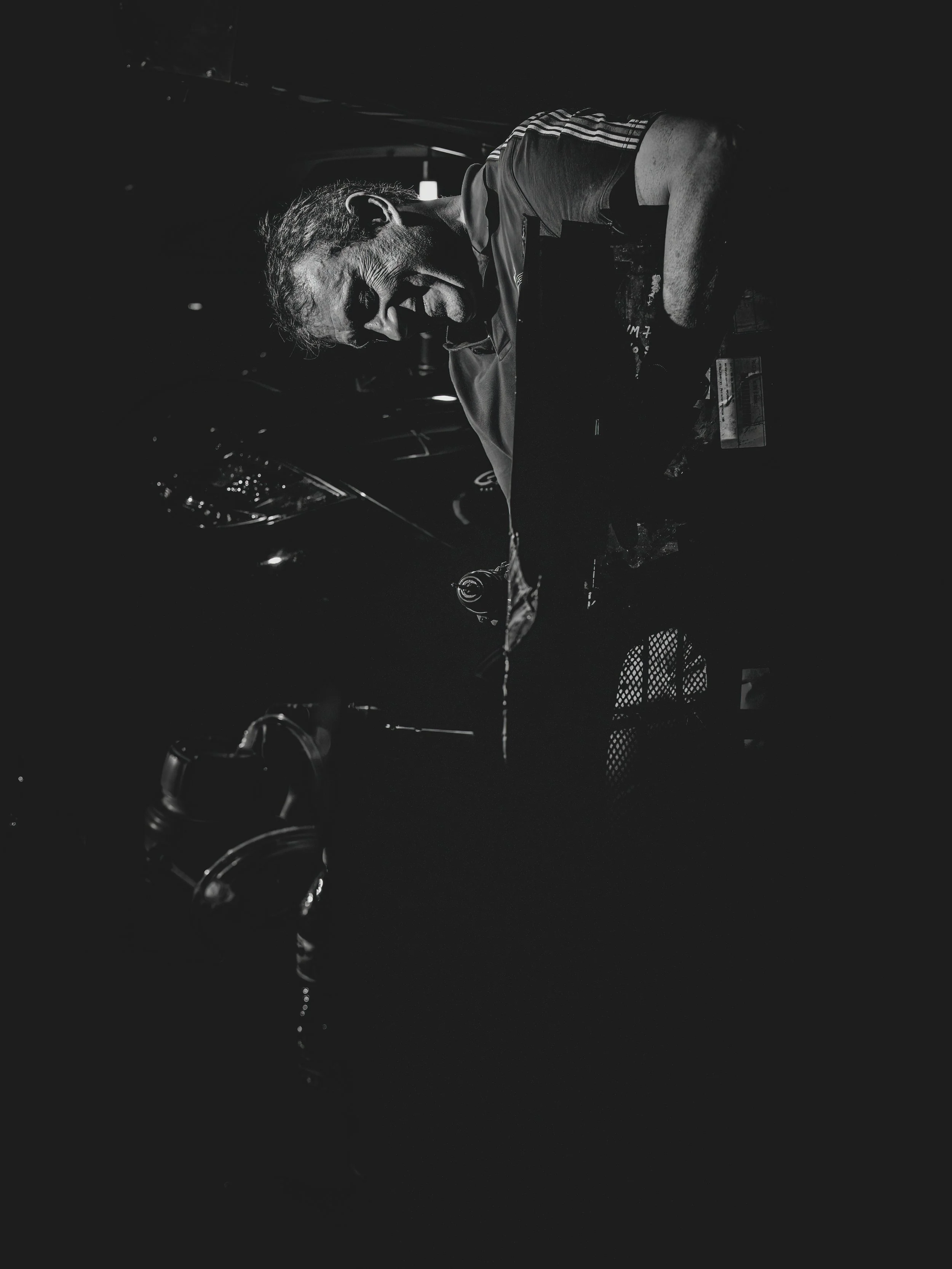
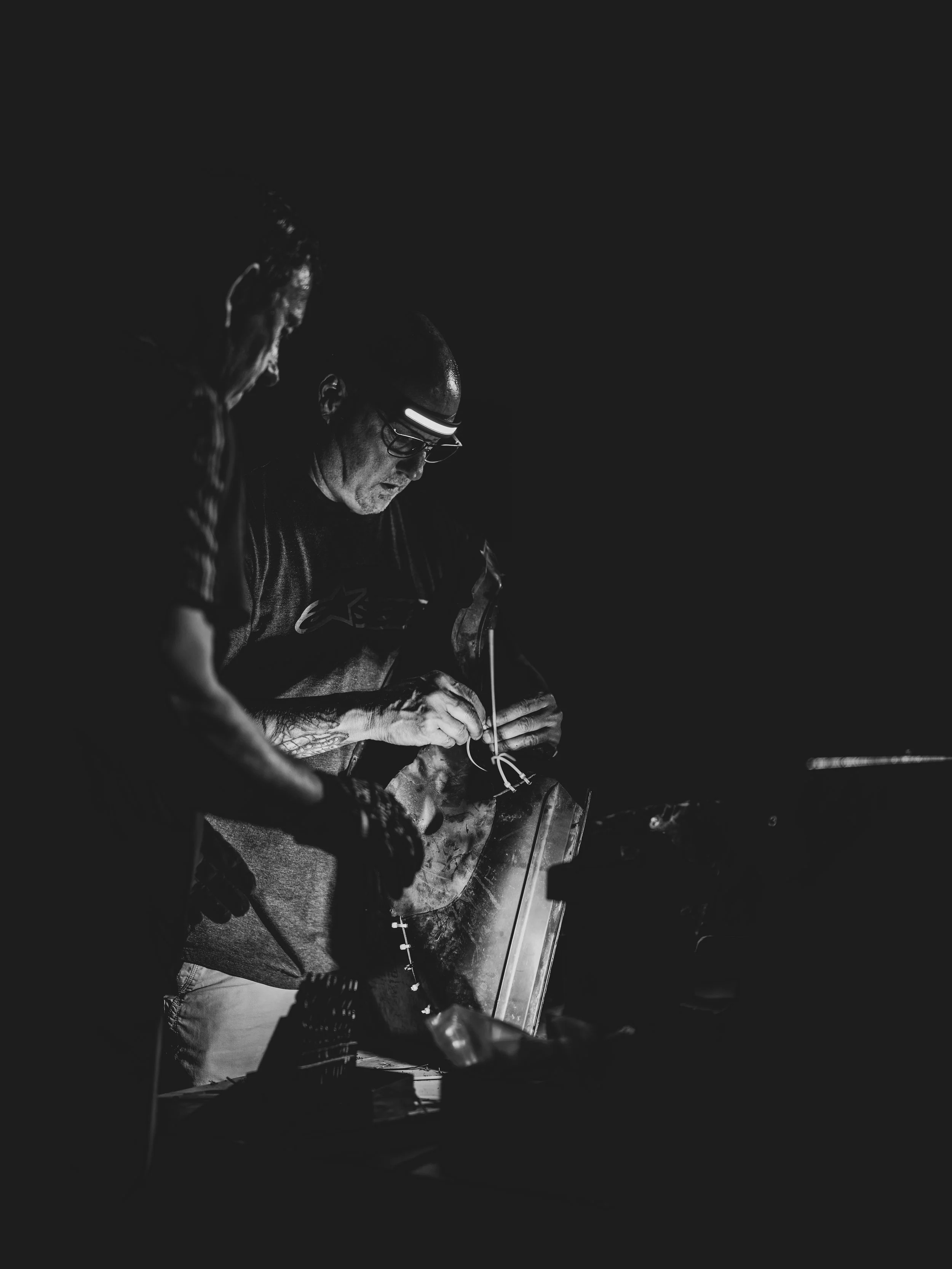
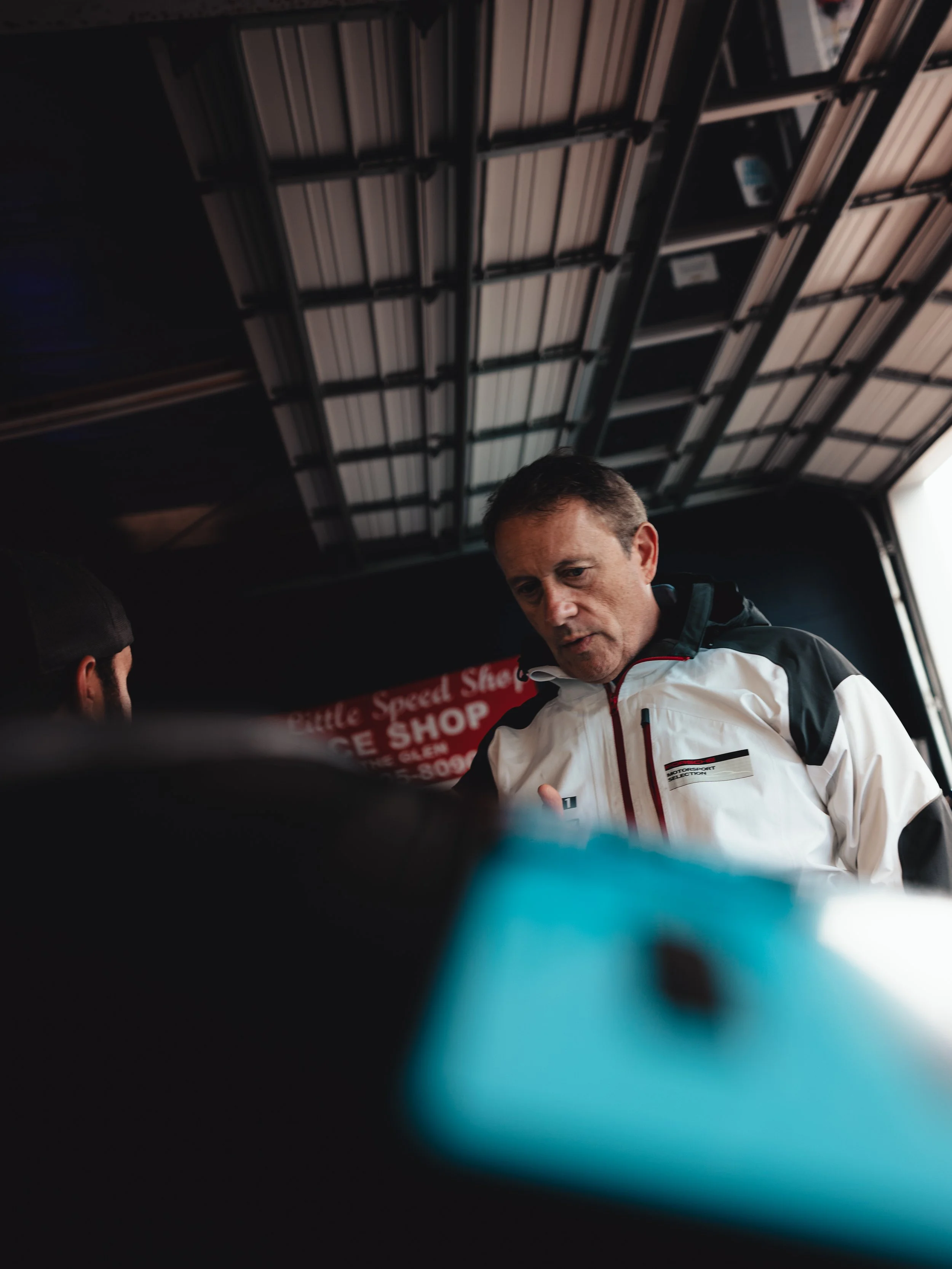
This one started off-balance. A busier than normal PCA weekend at Watkins Glen, multiple cars stacked in garages, and an engine gremlin that chose practice day to announce itself. The paddock buzzed like a disturbed hive—crews wrenching, drivers pacing, tires rolling in every direction.
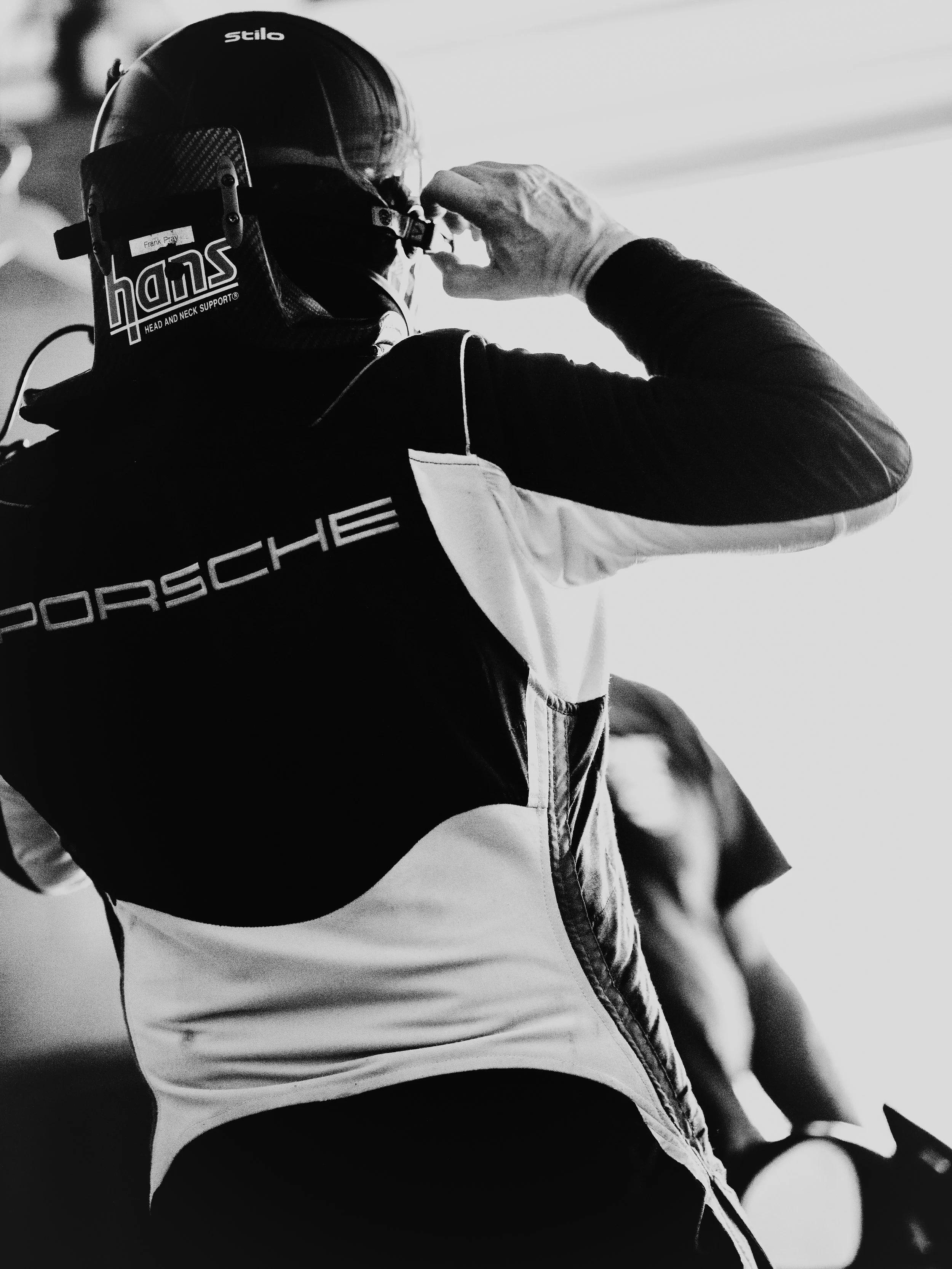
And then there was Franklin Pray.
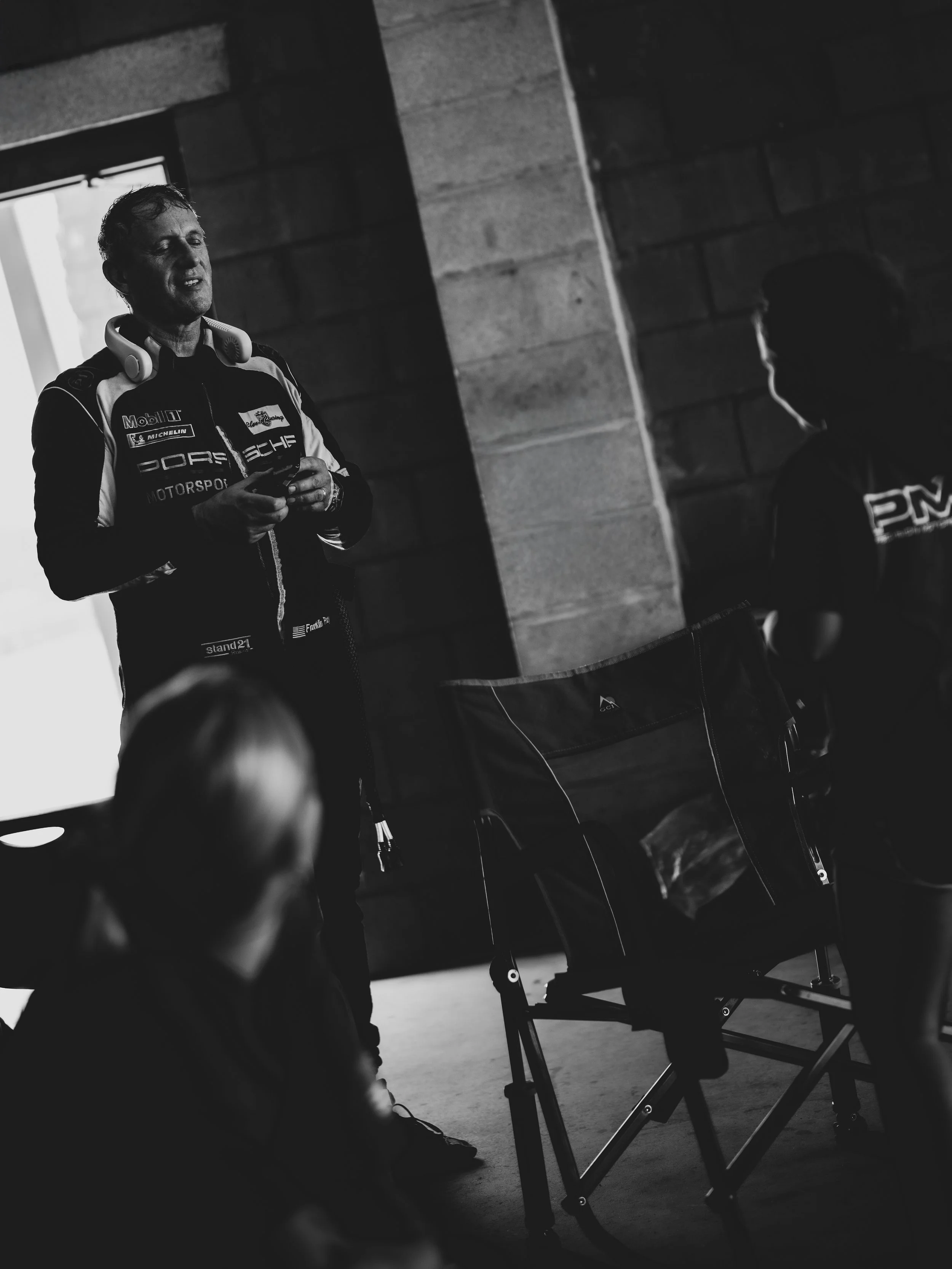
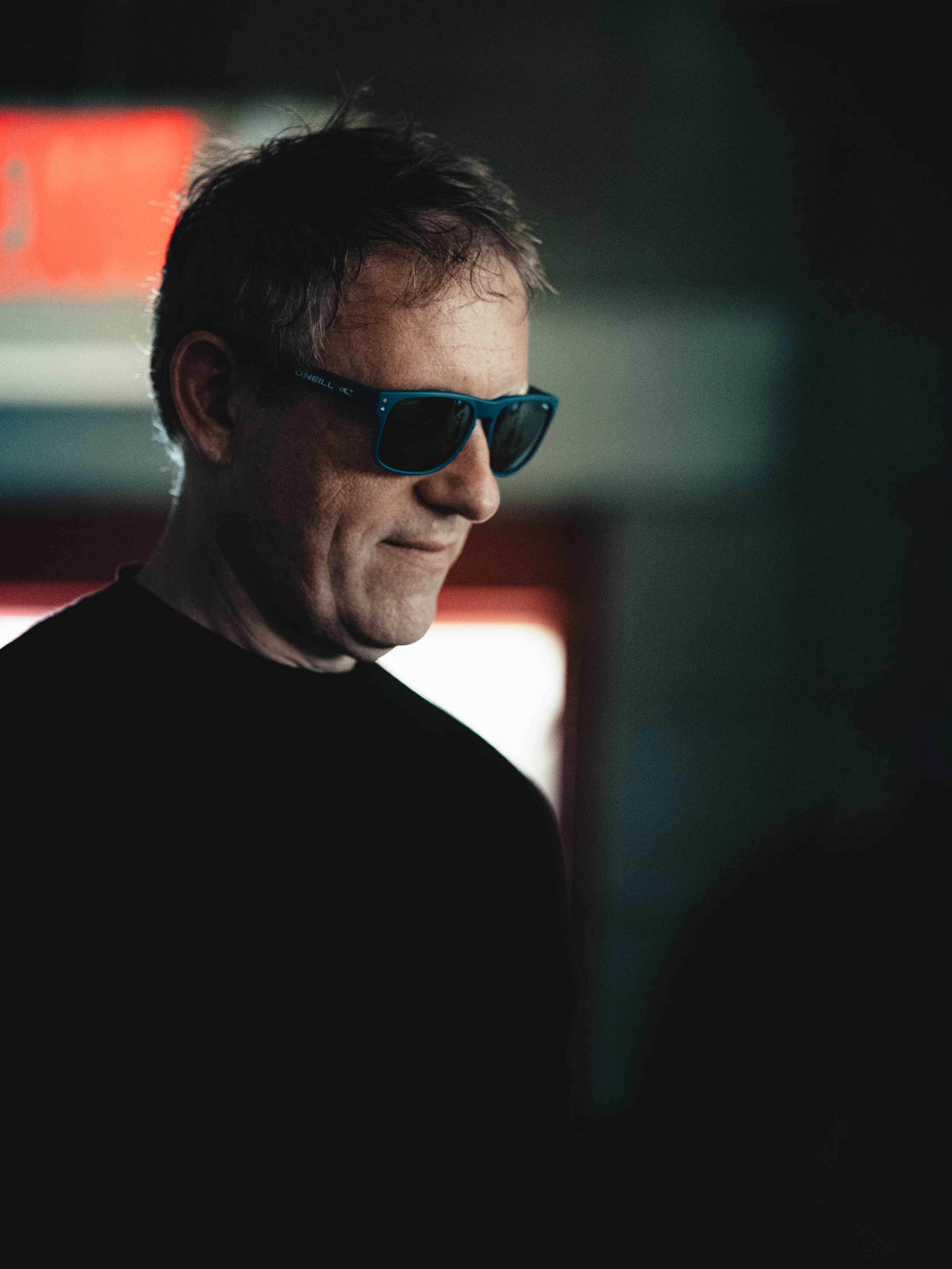
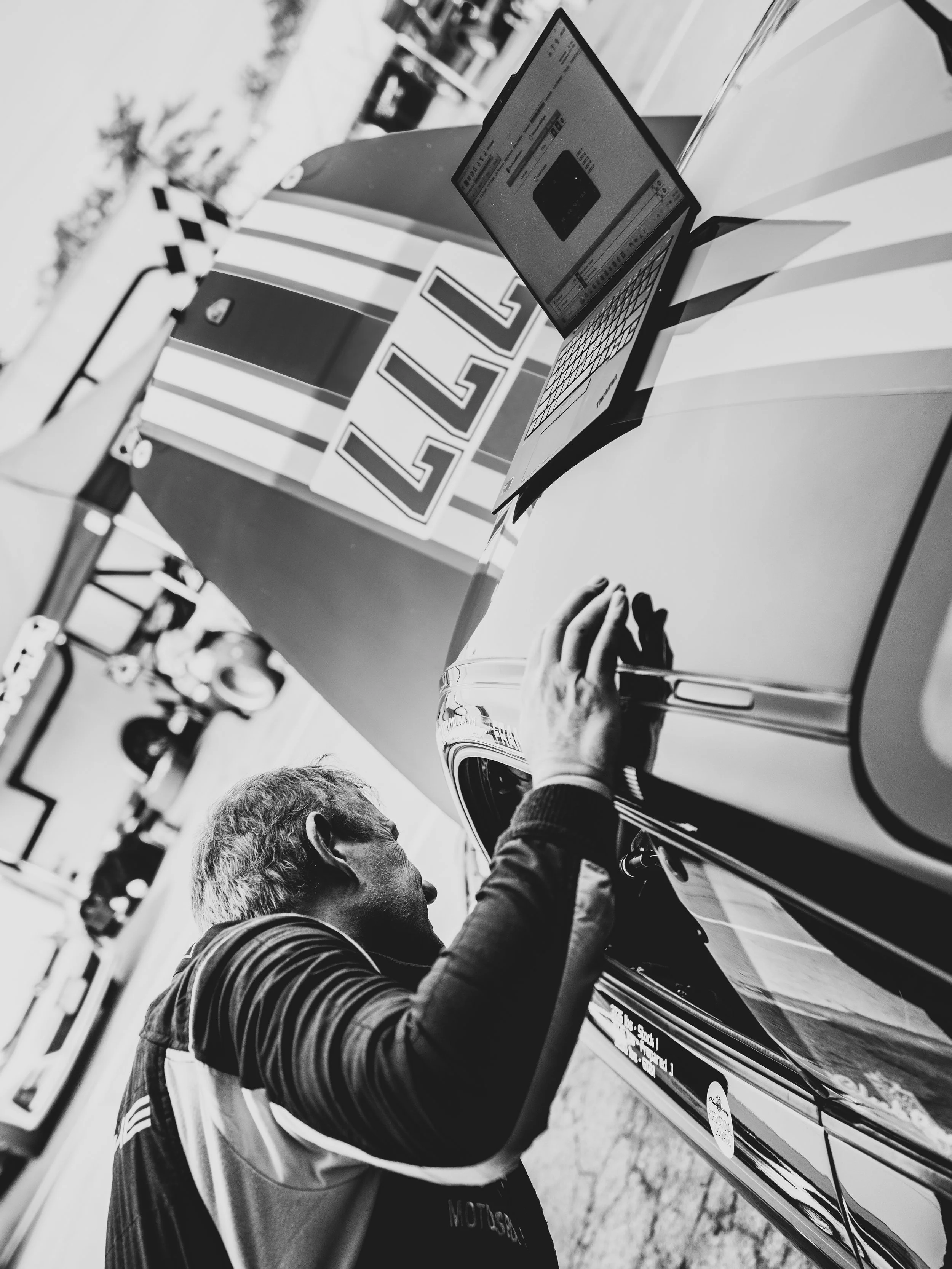
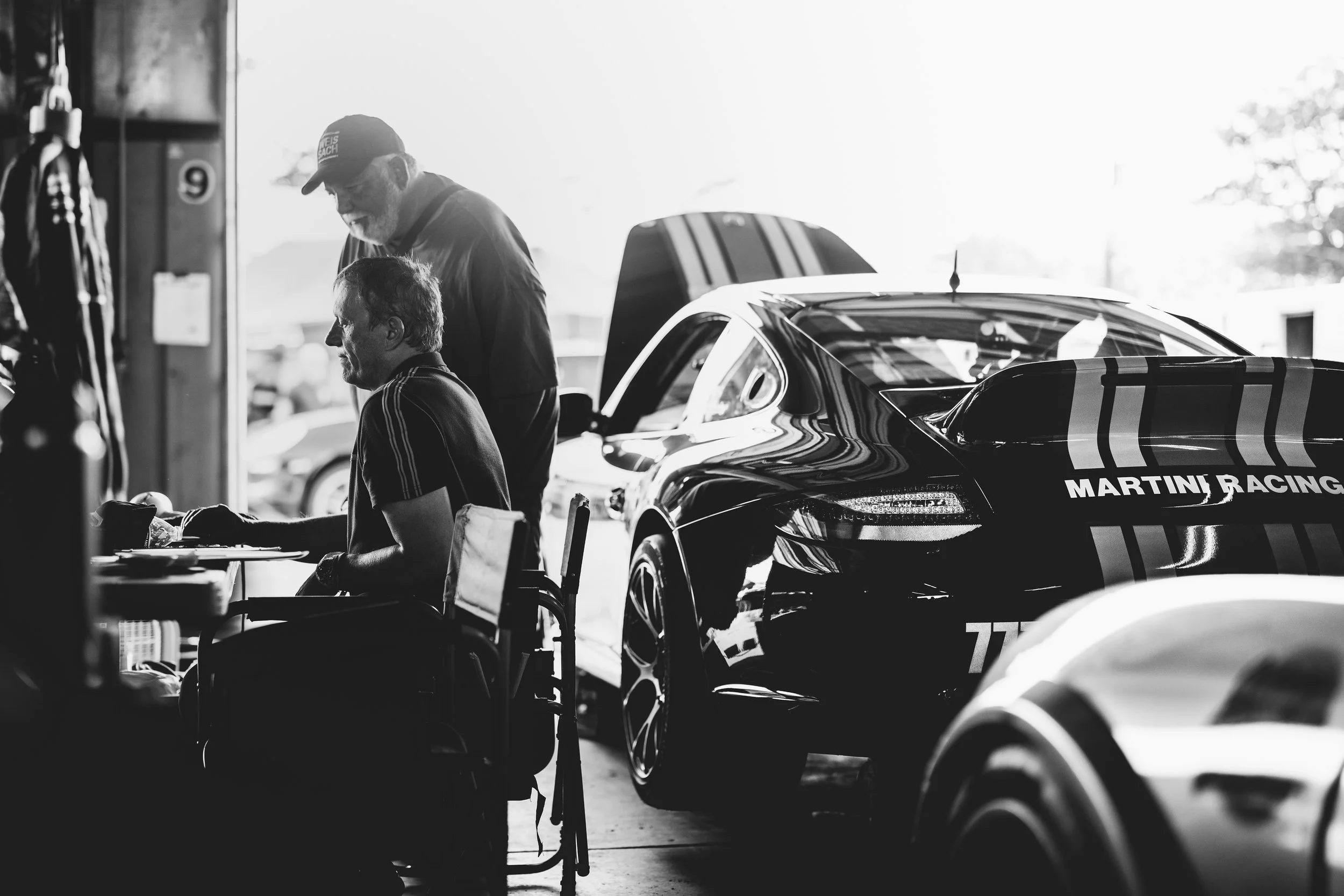
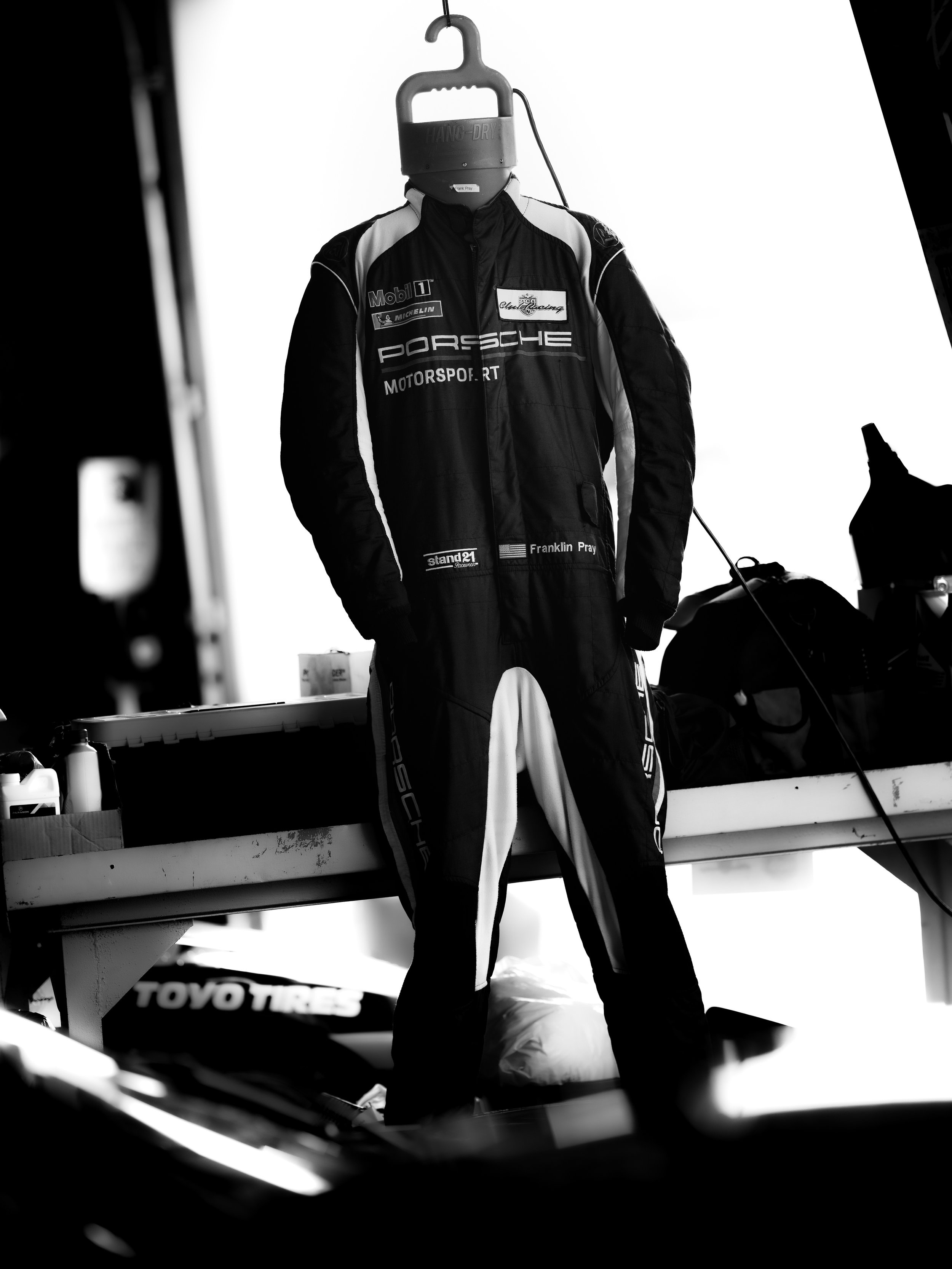
At a folding table, helmet cooling fan humming softly, laptop glowing blue on his face, he looked more like a watchmaker than a driver about to go 150 mph. Calm, deliberate, composed. He sipped coffee—his one admitted vice—and clicked through data and video while the storm spun around him.
I joked that the helmet fan needed a face, one step from being anthropomorphized. He smiled, grabbed a Sharpie, and drew one. A fleeting laugh broke the moment, but I caught a glimpse of discomfort—like I had nudged something sacred in his process.
The Hit That Stopped Everything
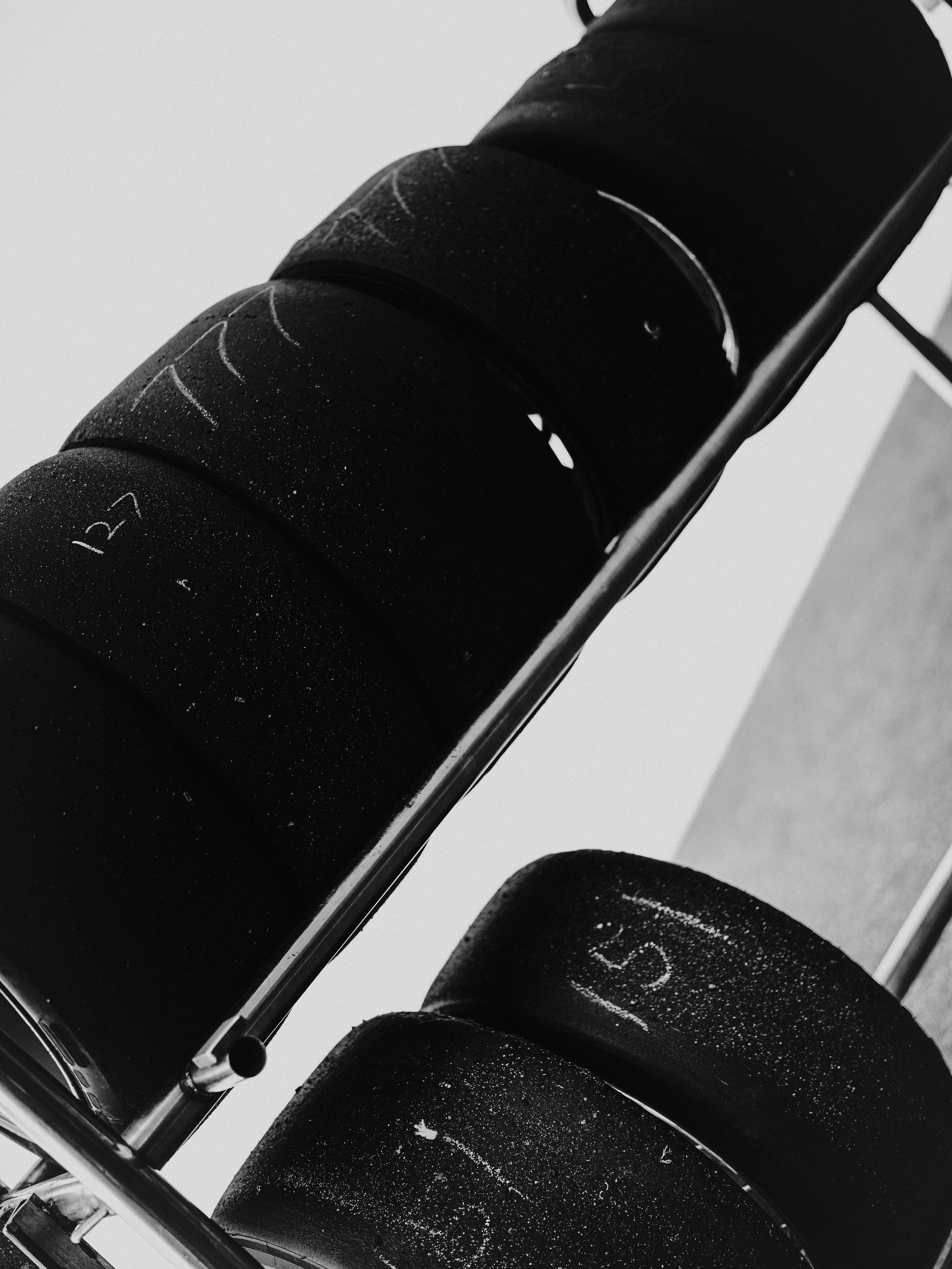
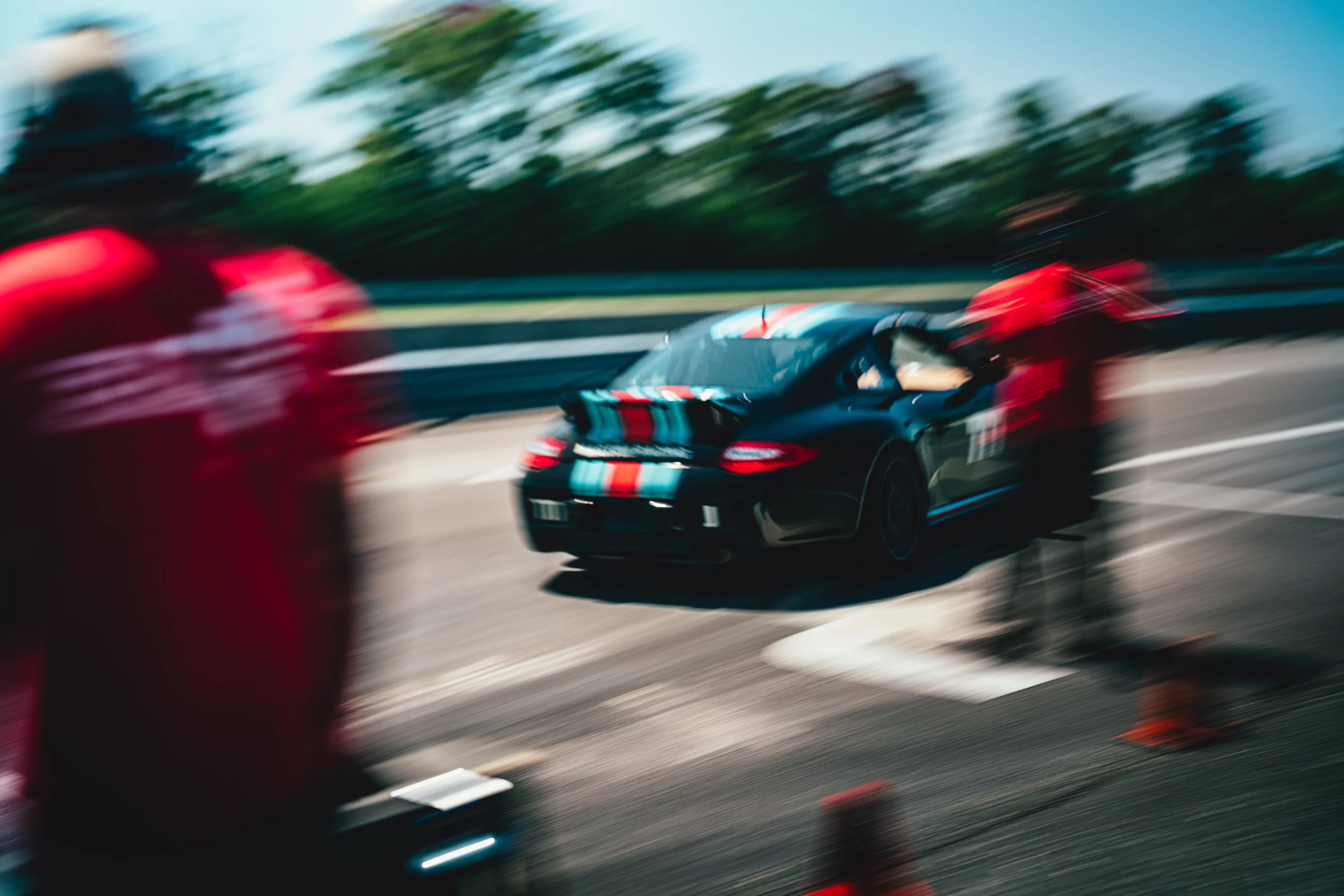
Saturday’s sprint? Clean, strong, well-executed. Sunday’s endurance? Perfect strategy: run long, manage tires, pit late, refuel once, bring home the win.
Until the stop.
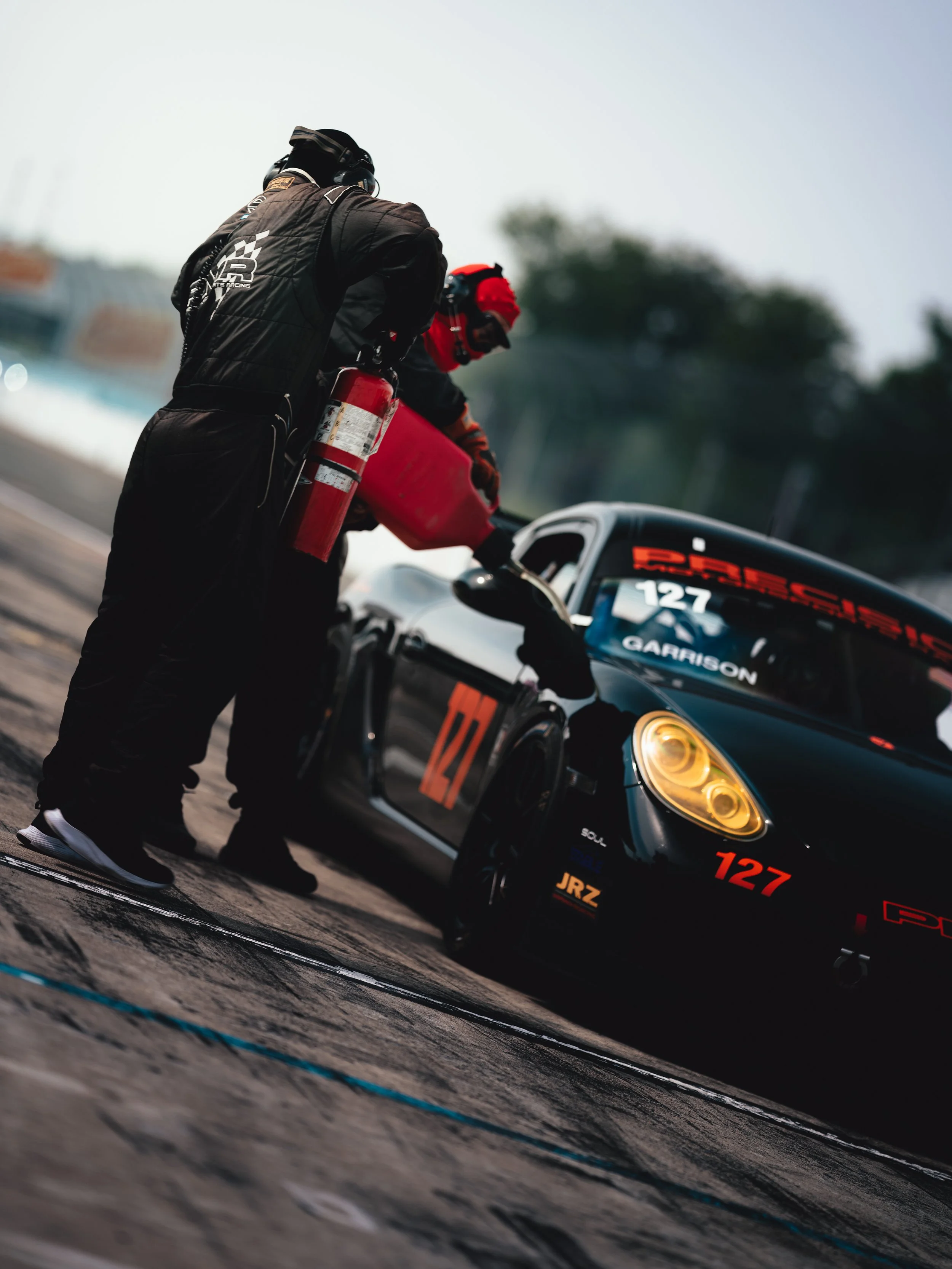
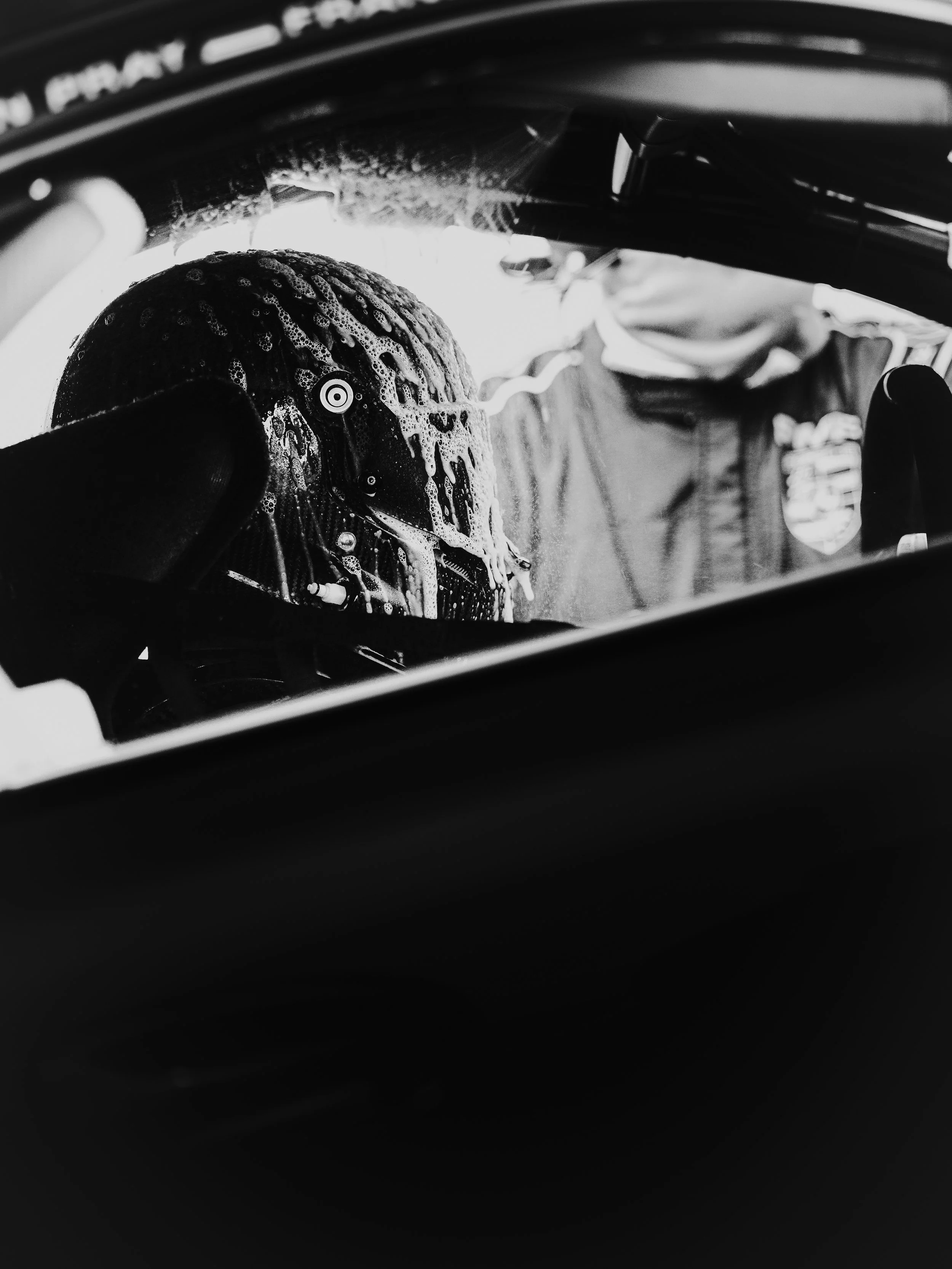
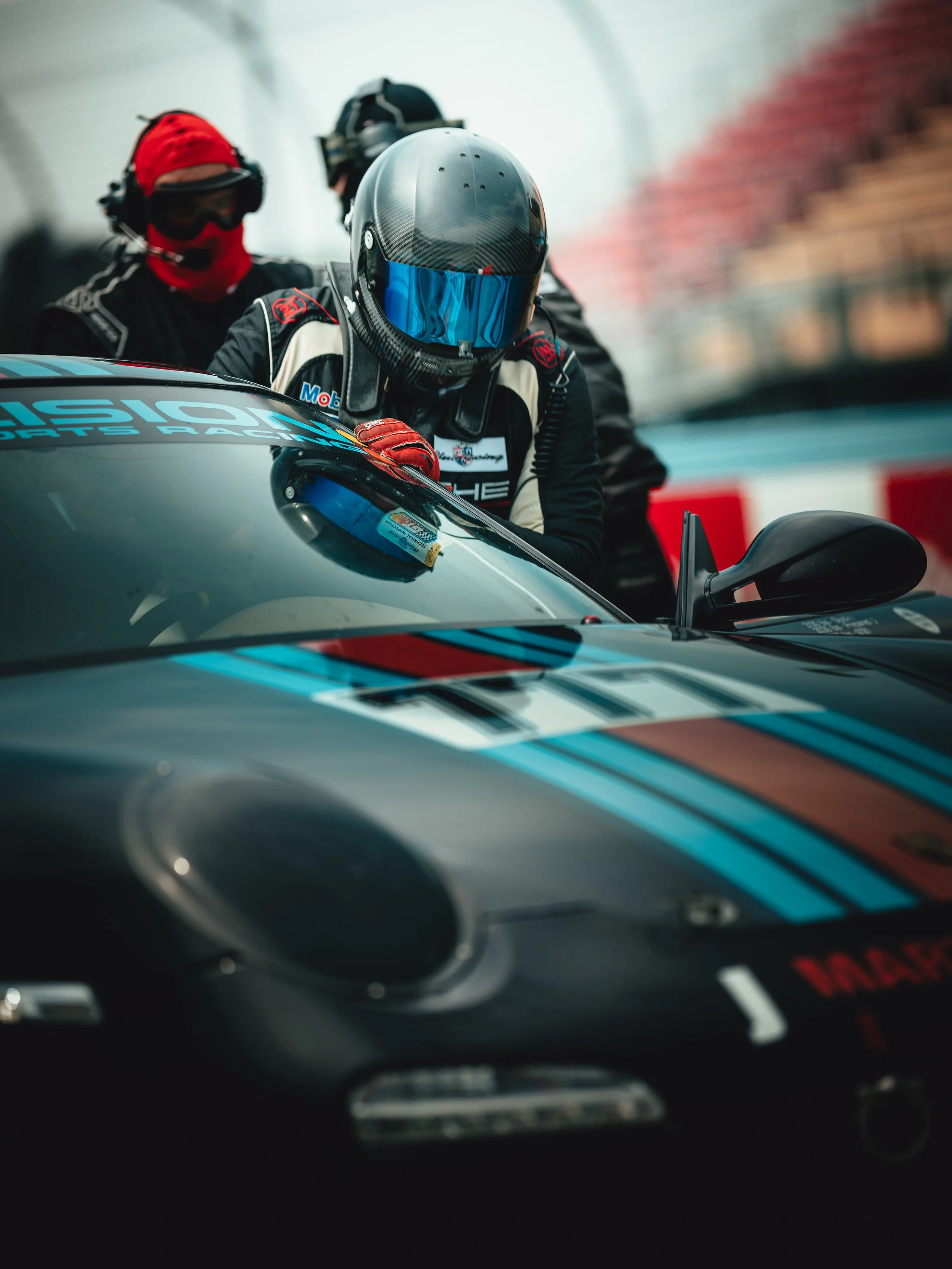
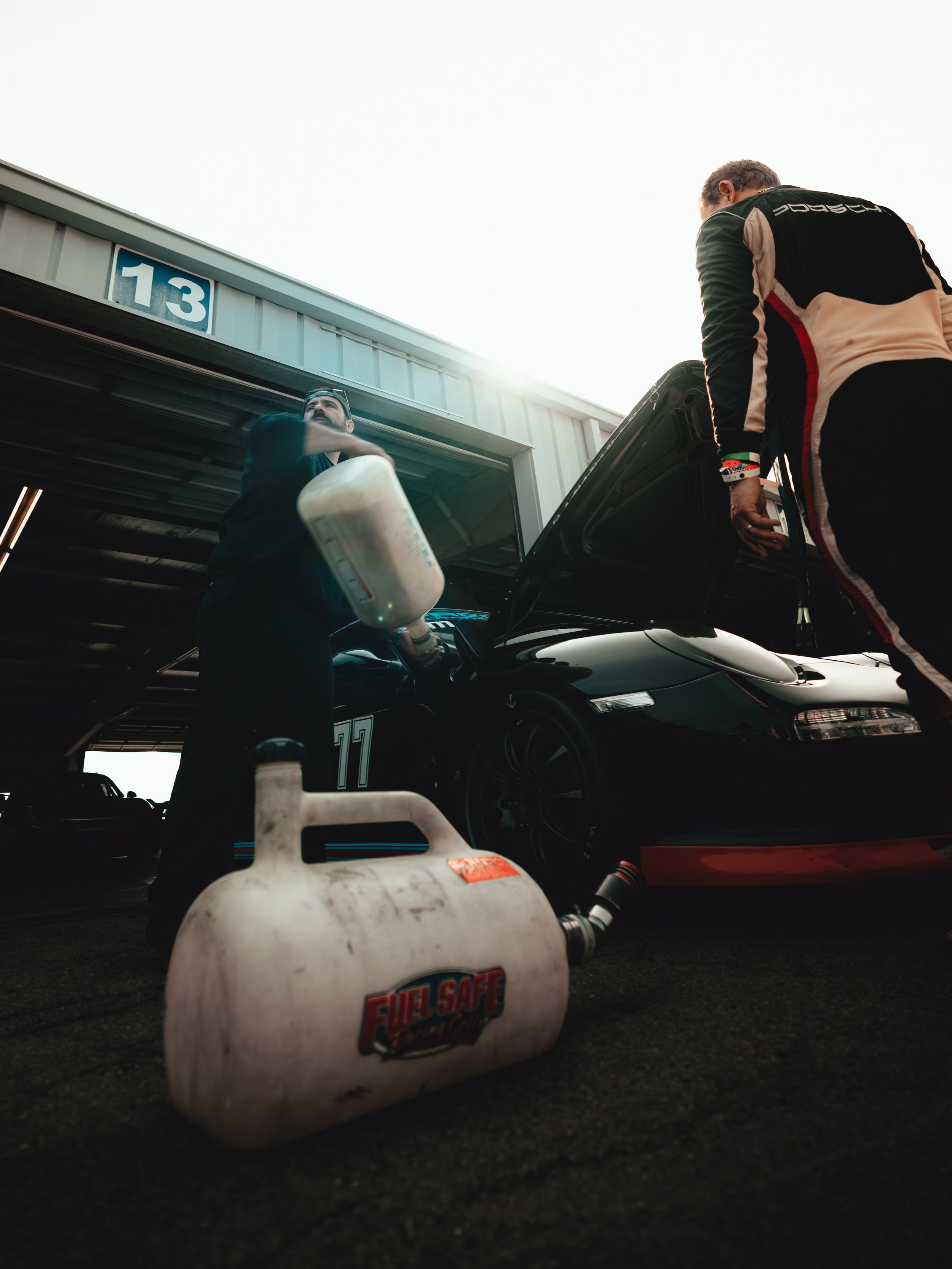
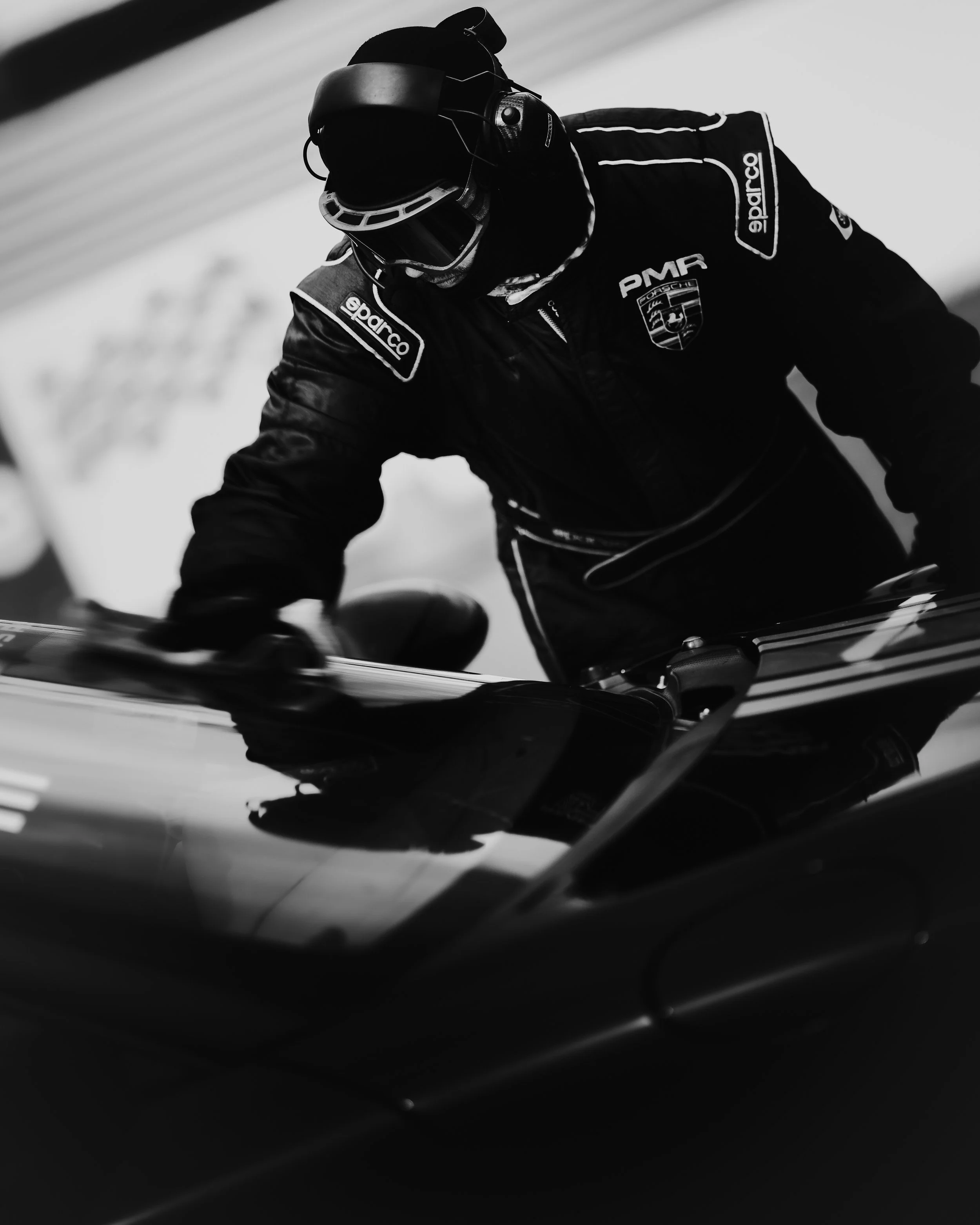
Pitting from first overall position, fueling completed, jumping back into the car with time to spare; a crew member, hustling through routine motions, brushed against the fire suppression button while wiping the windshield. One touch and the system dumped its entire load of foam into the cockpit and engine —a one-use-only, last-ditch emergency system designed to save lives, not races.
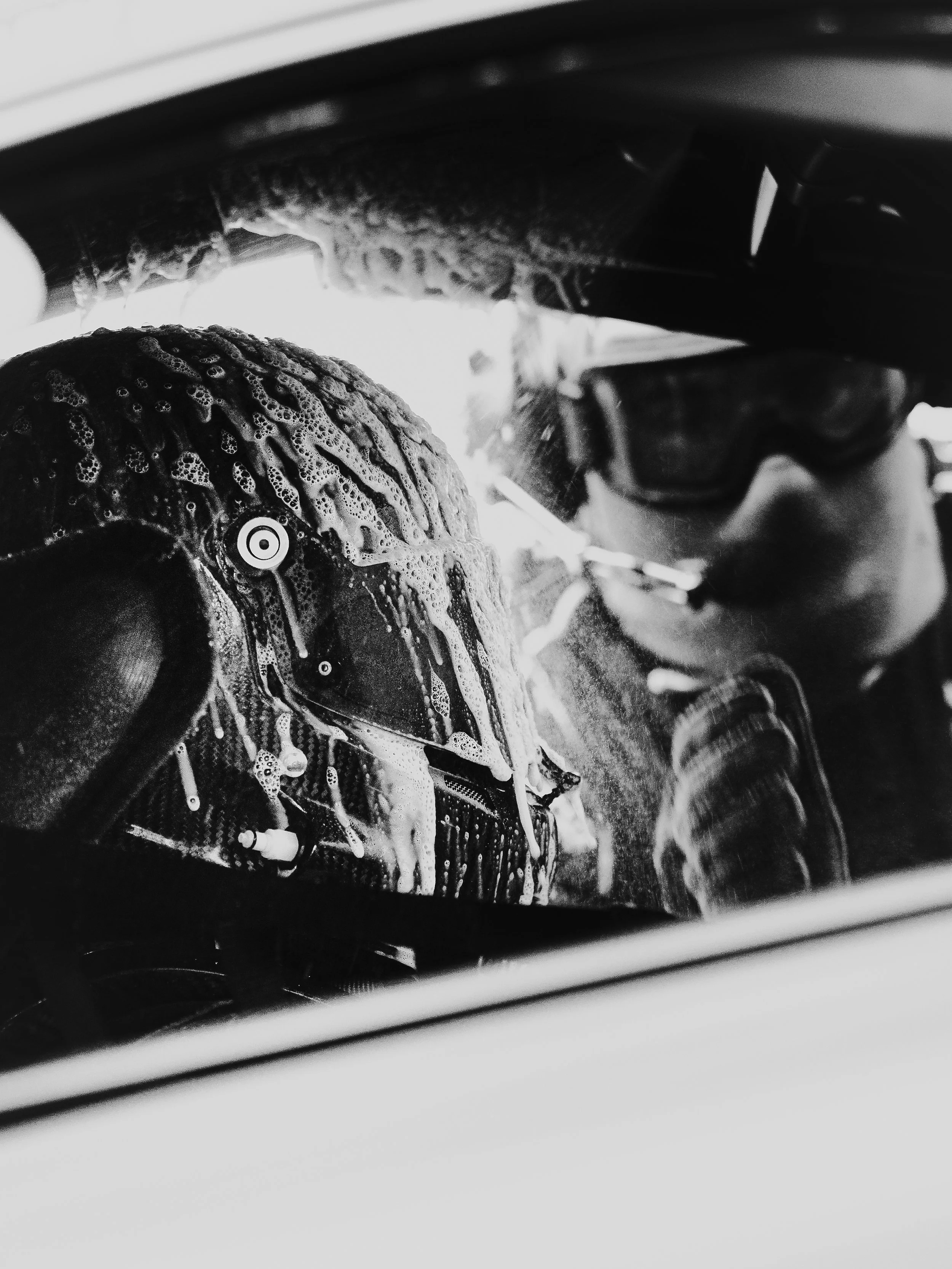
Franklin unbuckled and shut it down. Game over.
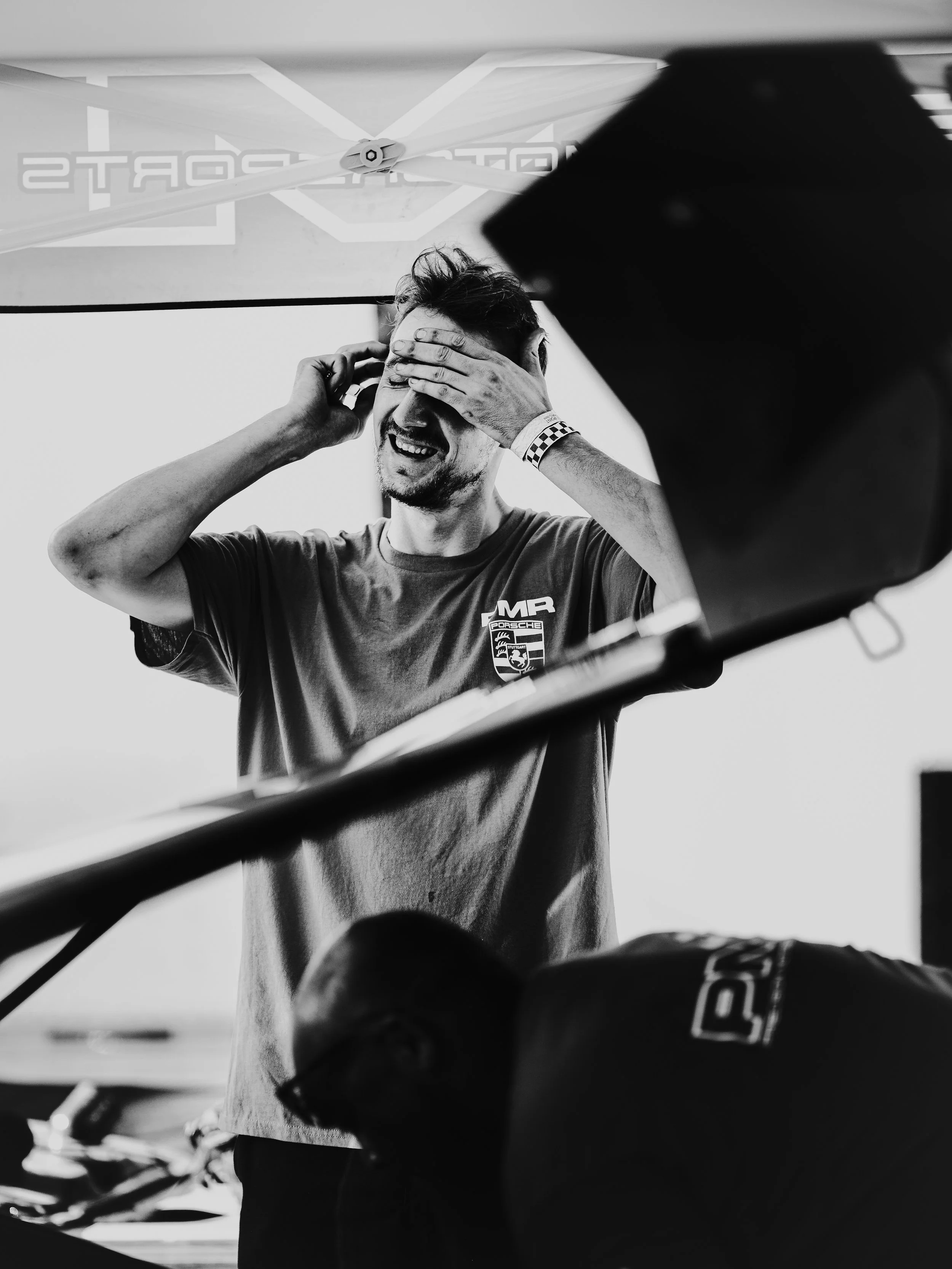
He climbed out in pit lane, soaked and stunned, his face twisted in disbelief.
Around him, silence. Shock gave way to that gut-punch frustration shared by everyone within sight; …”an honest mistake, but it still stung deep.”(FP)
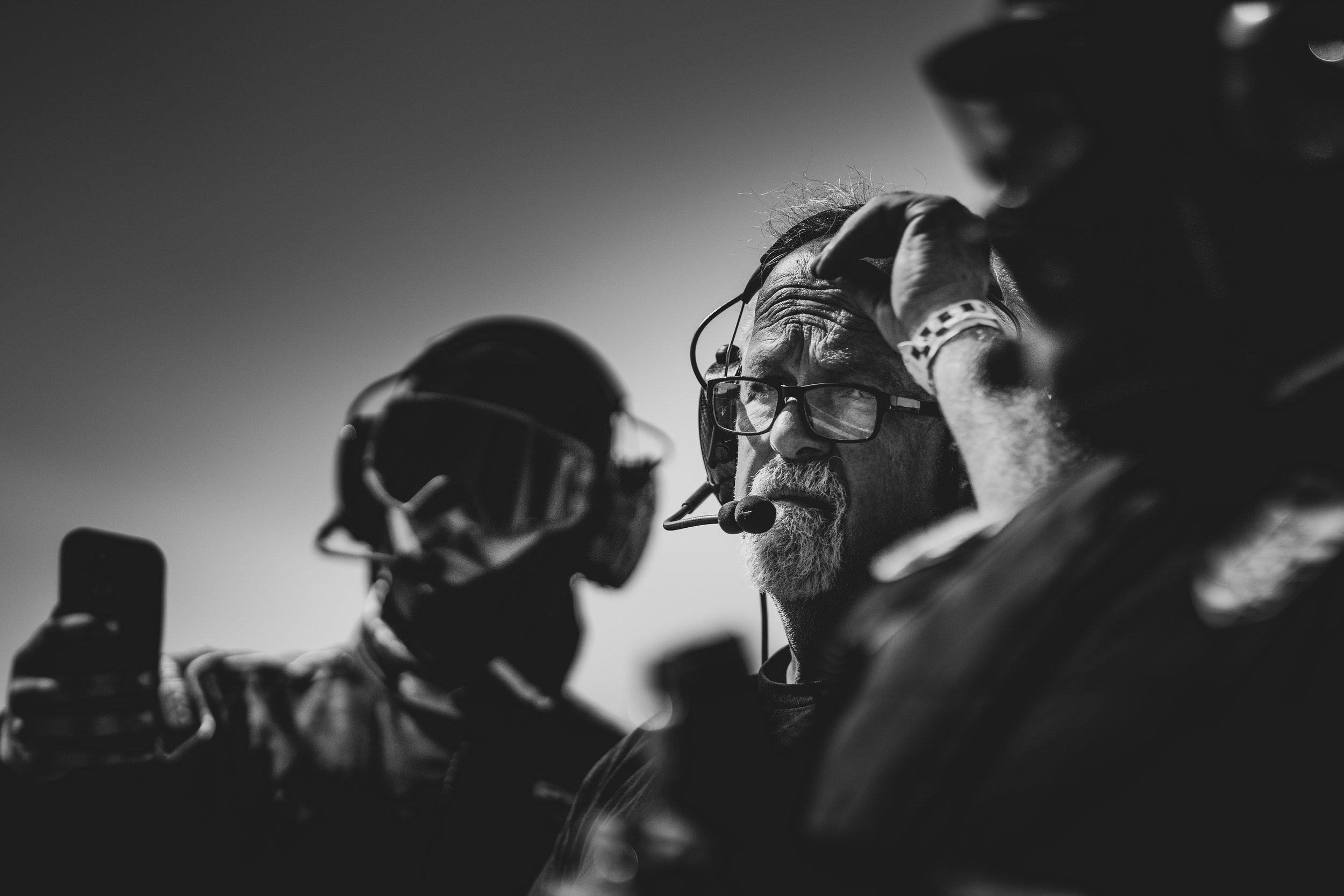
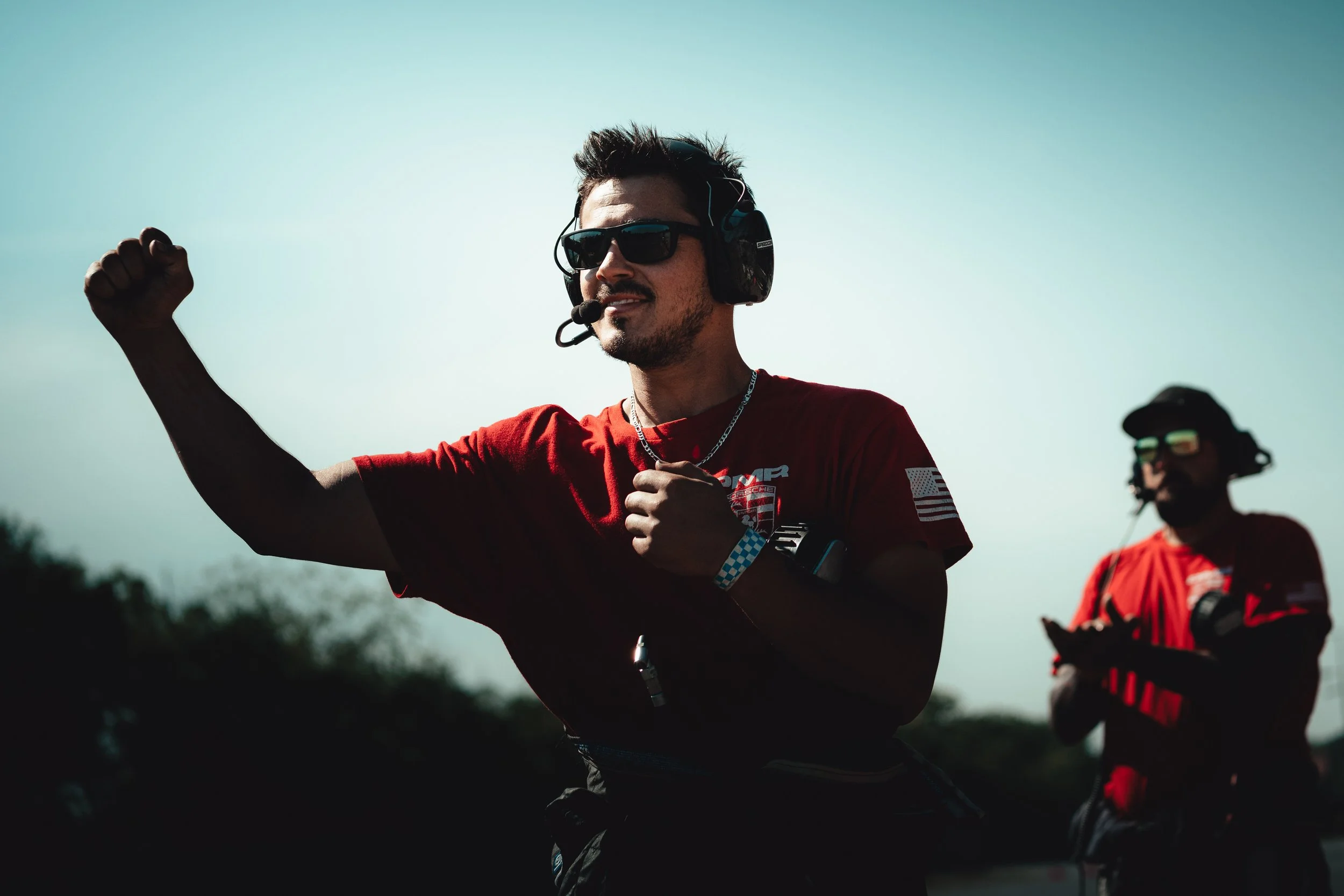
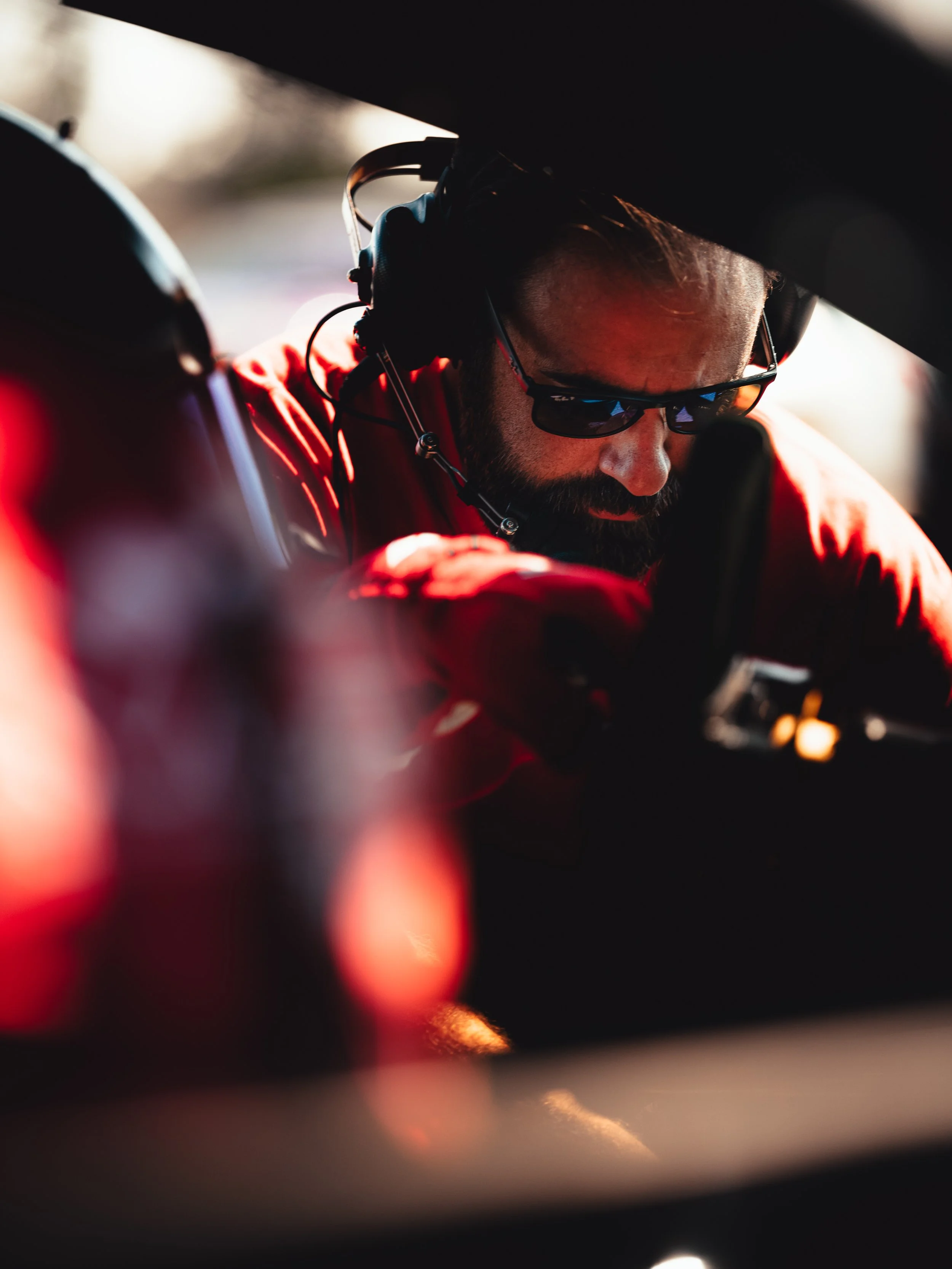
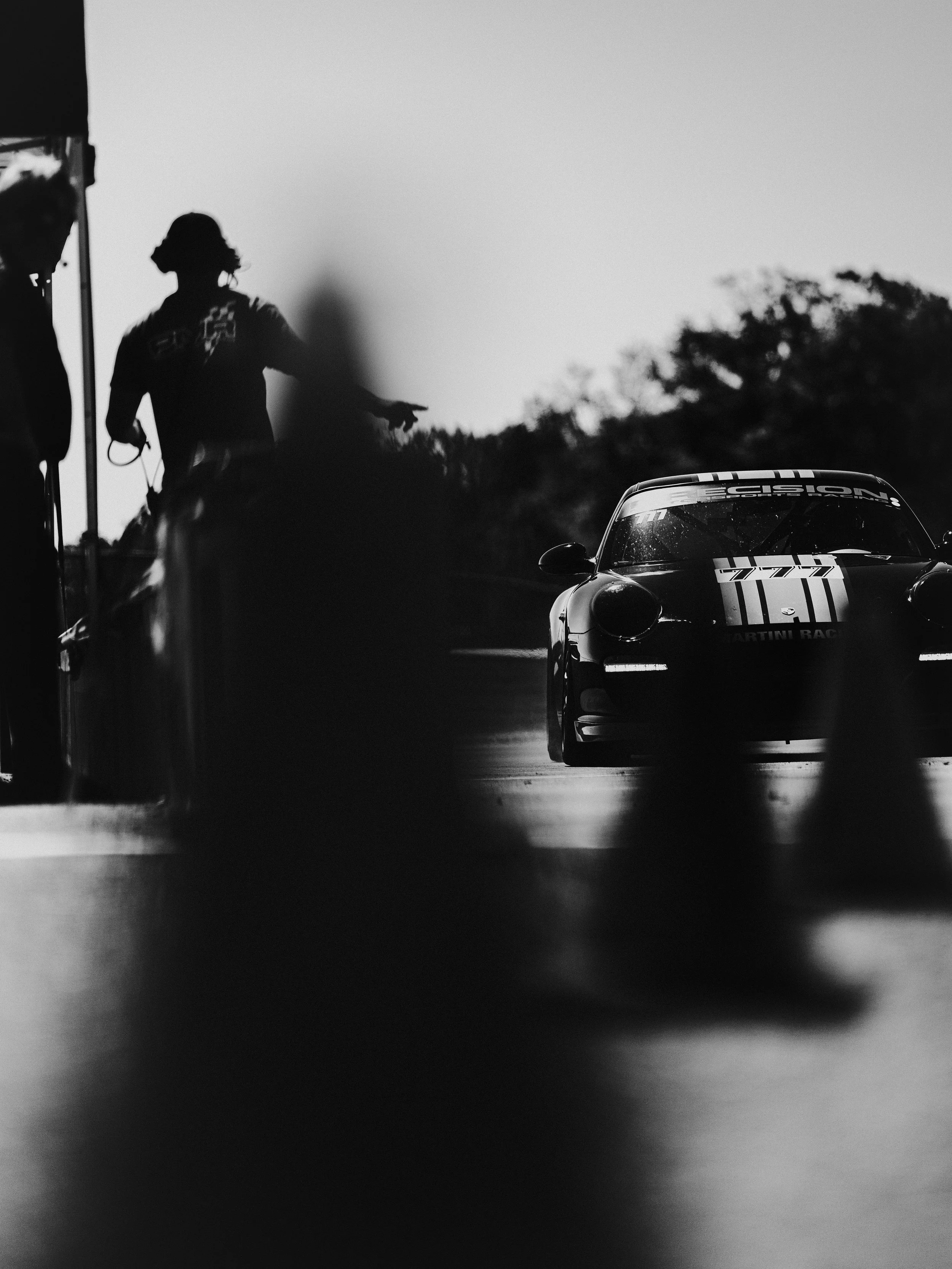
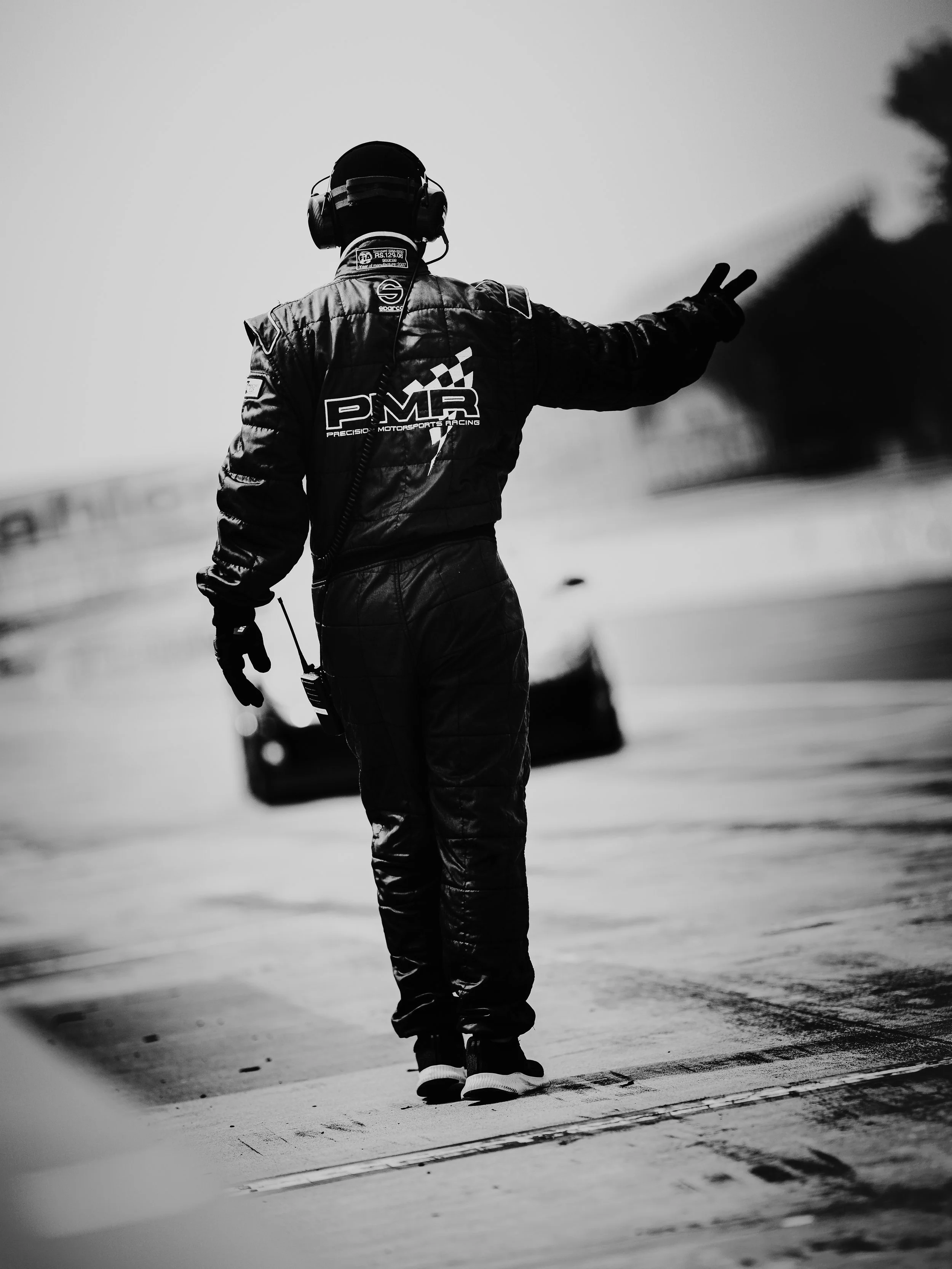
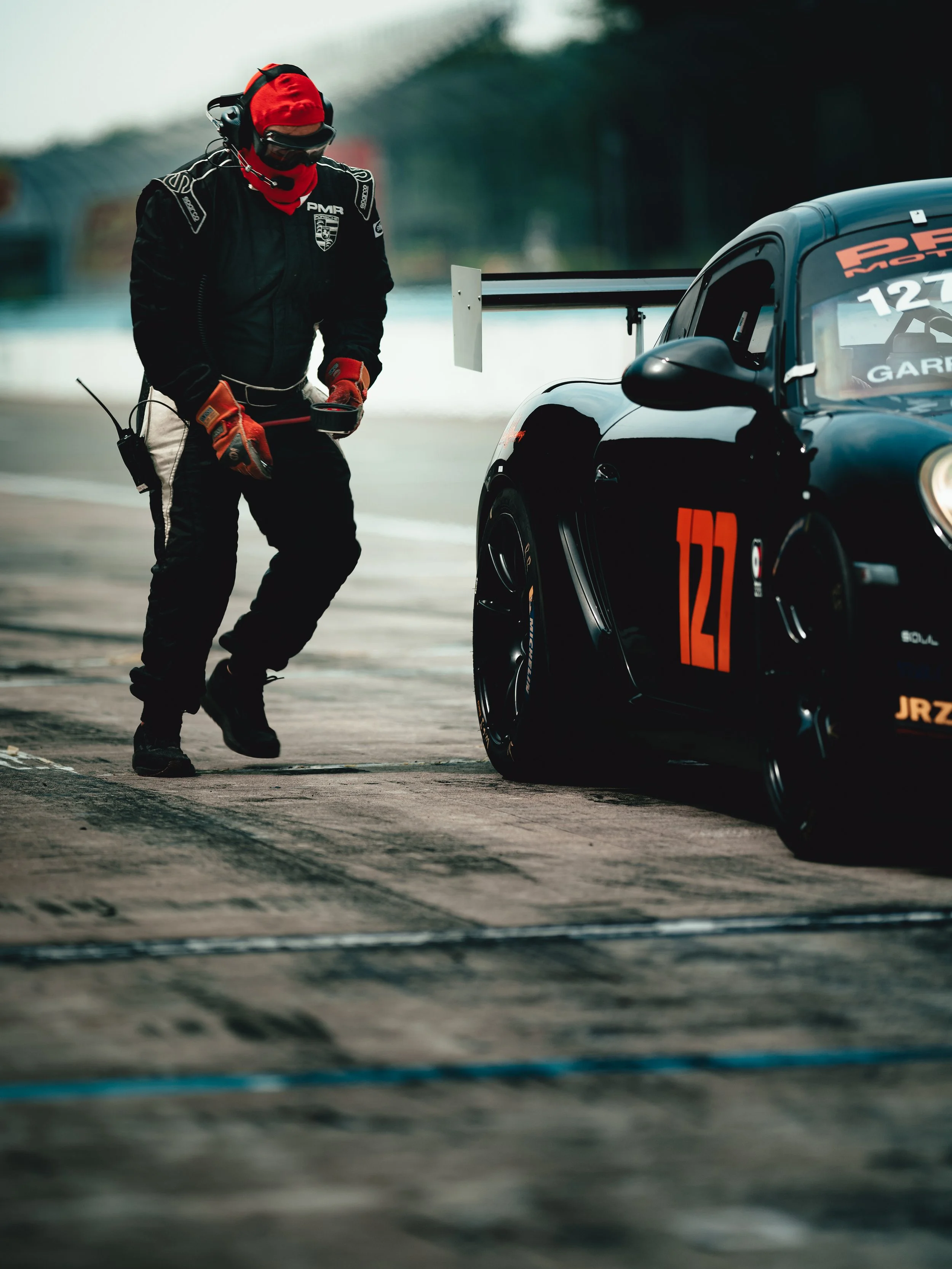
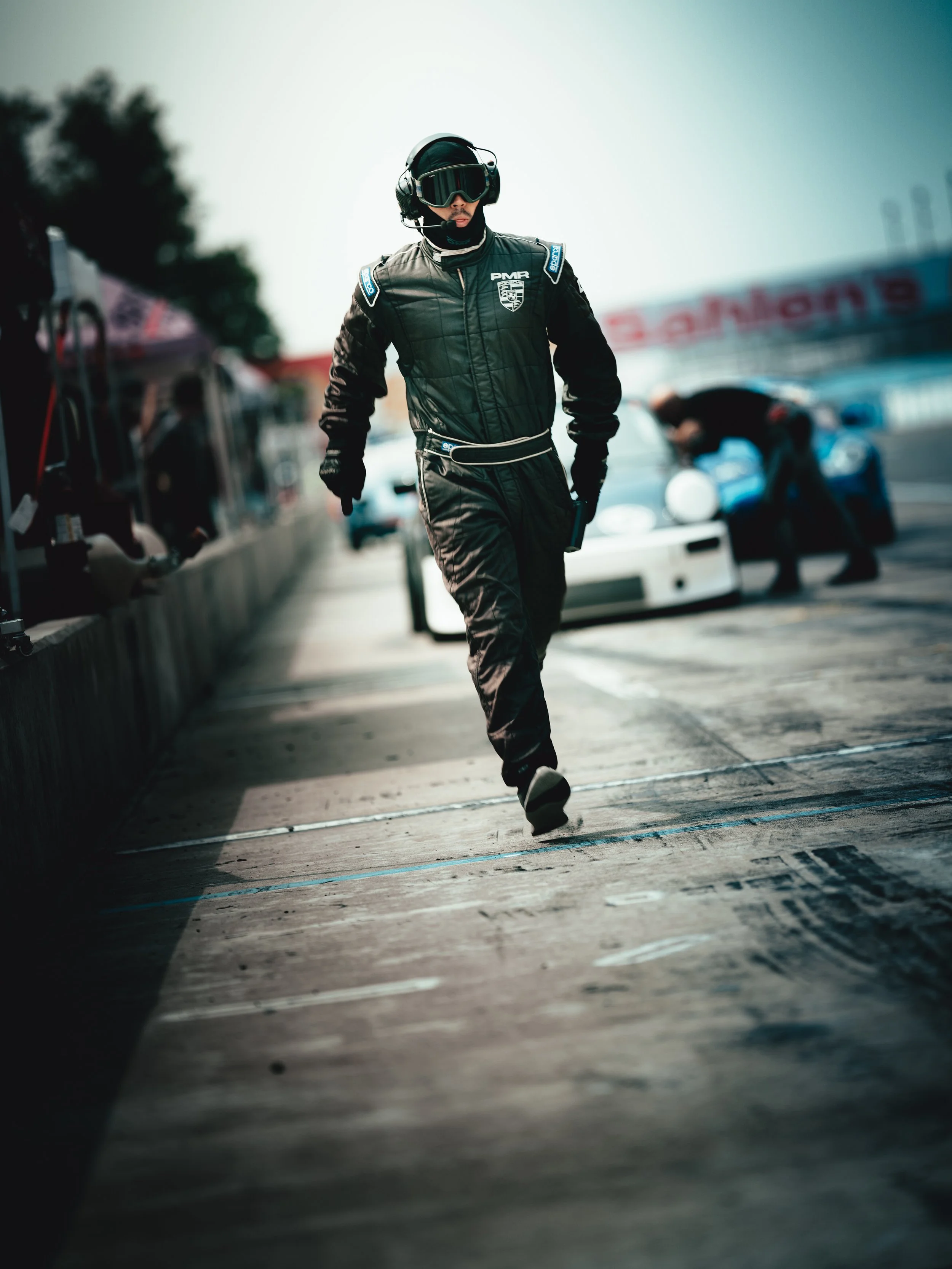
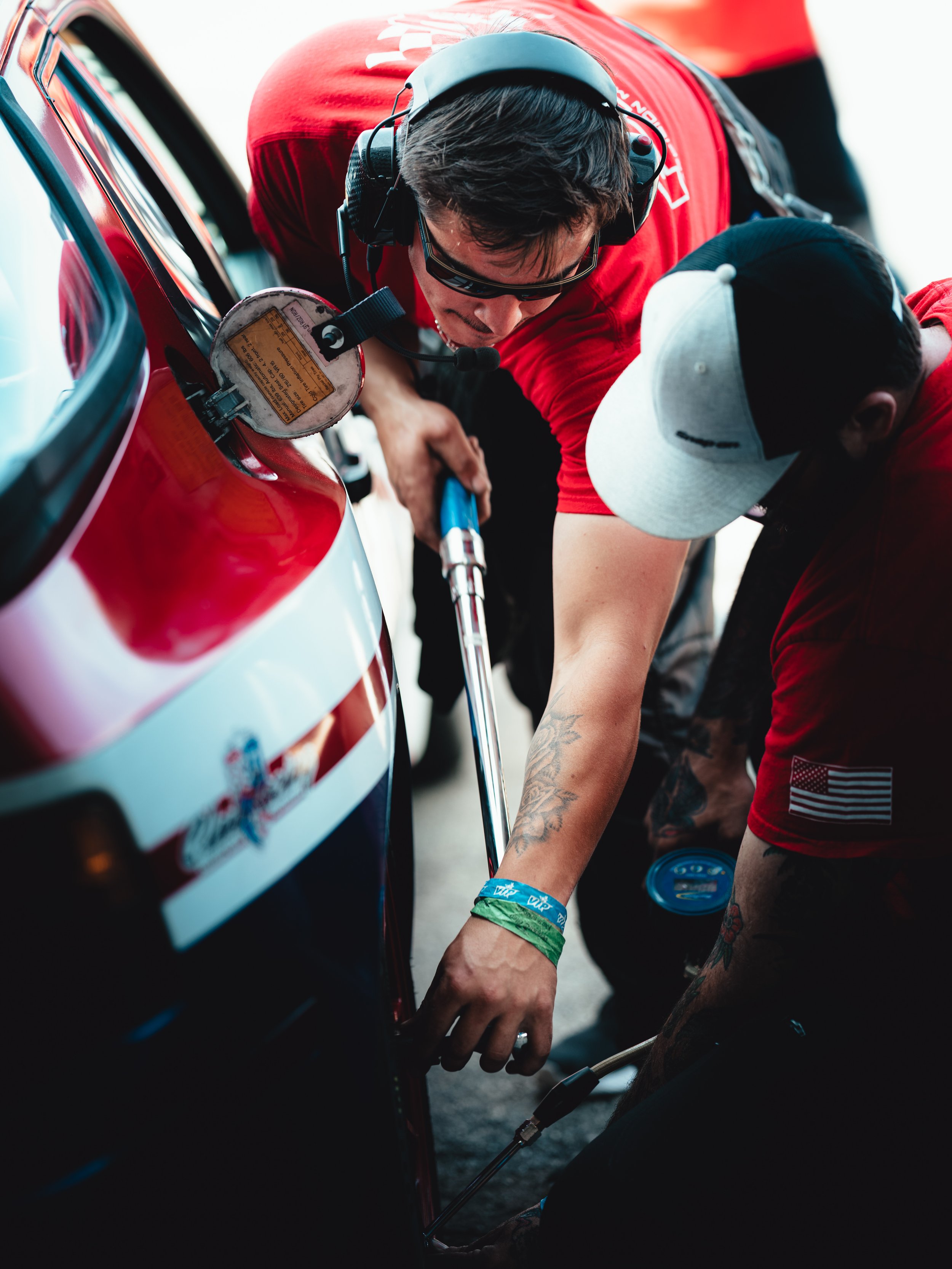
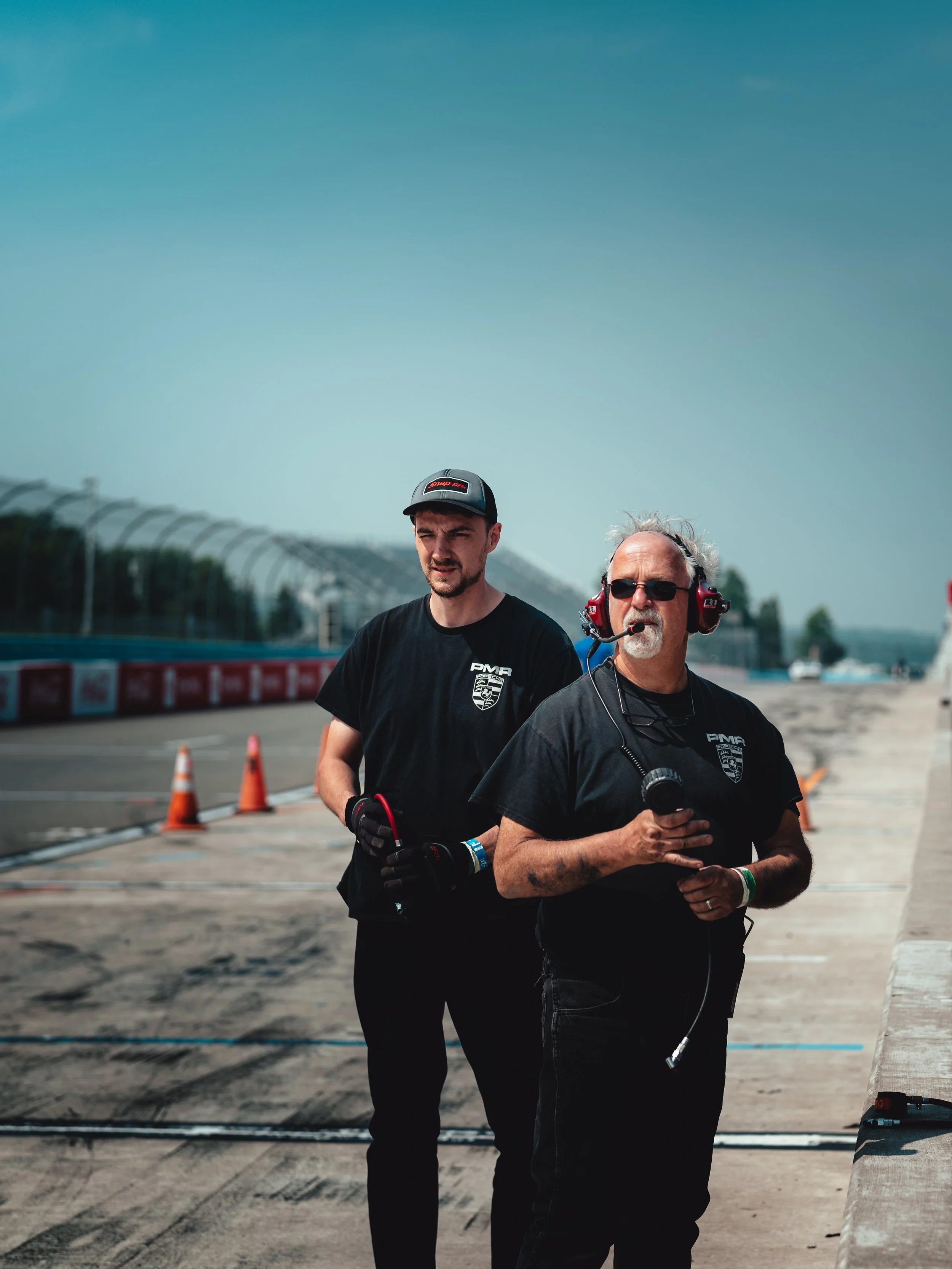
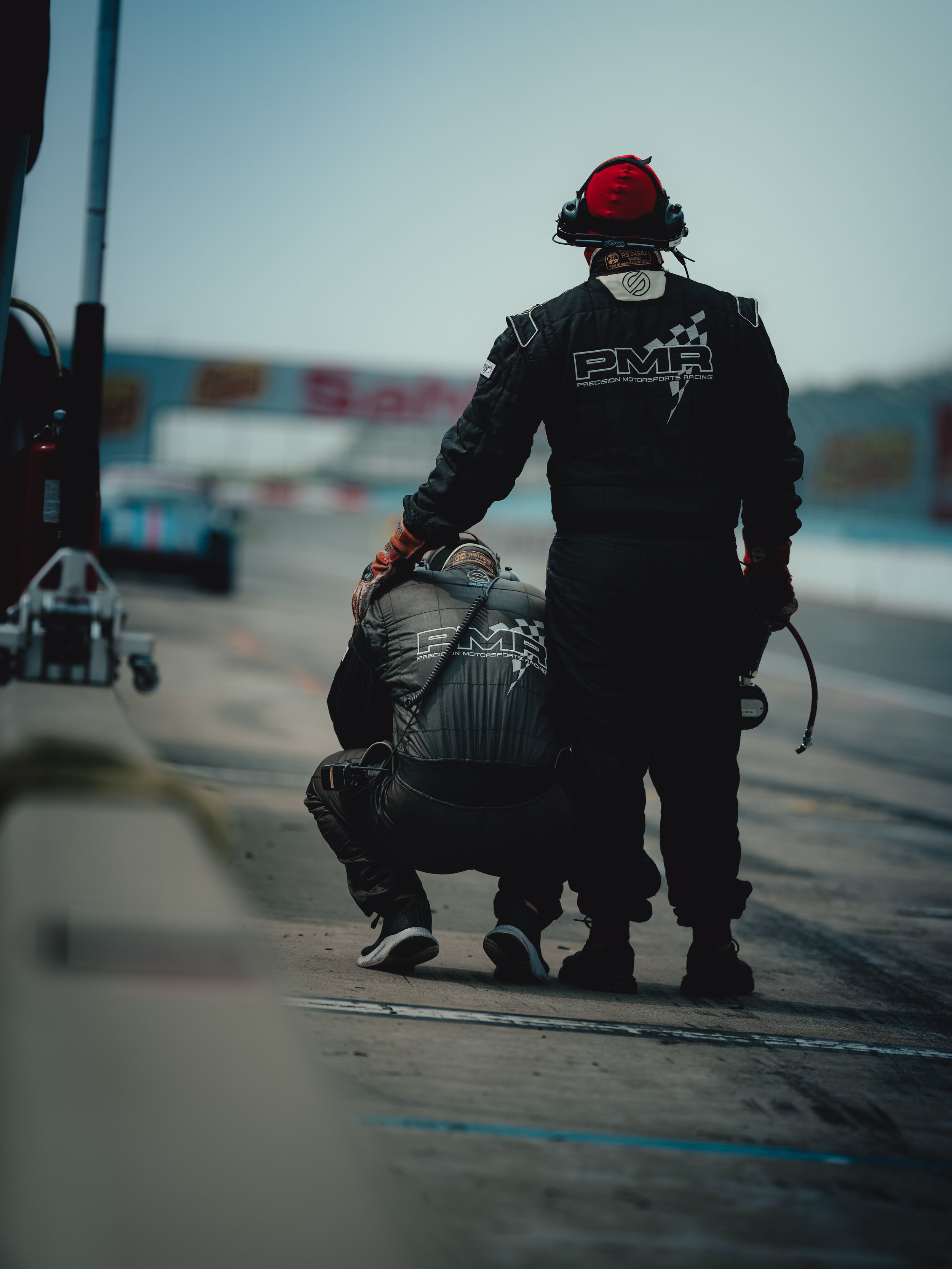
The race didn’t stop. The pit-lane or paddock doesn’t pause for heartbreak. Within seconds, the crew snapped back into motion - headsets on, radios alive, tools back in hand as the next cars rolled in. Whatever disappointment hung in the air was folded away, replaced by muscle memory and quiet professionalism. The remaining stops unfolded without drama, a reminder that in endurance racing, composure is a performance metric of its own.
Reviewing my photos later, I hunted for that exact moment. There it was—not a reckless lean, just an unlucky bump from a suit pocket. A design flaw waiting for a moment. The suppression button sat raised above the area around.
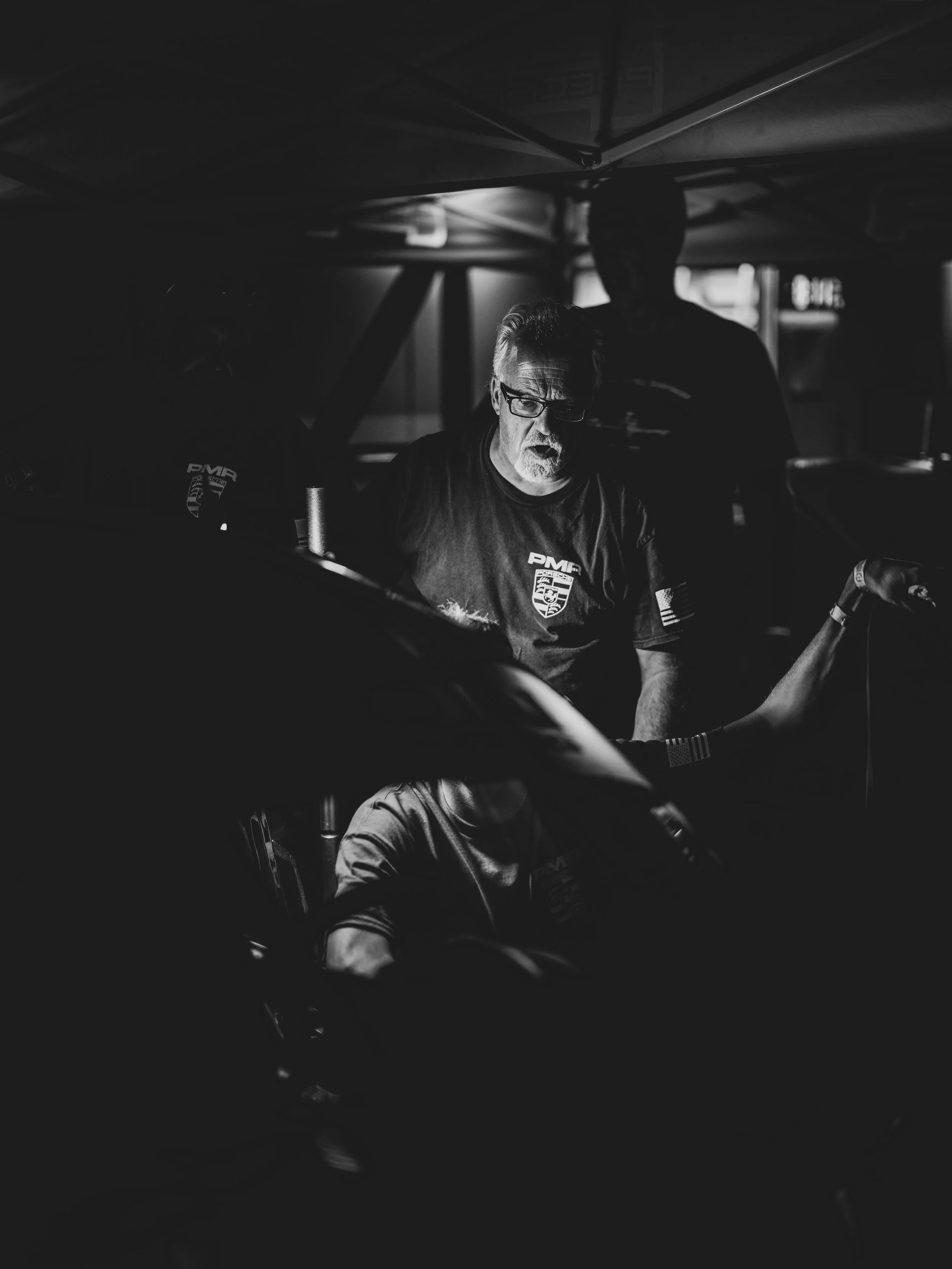
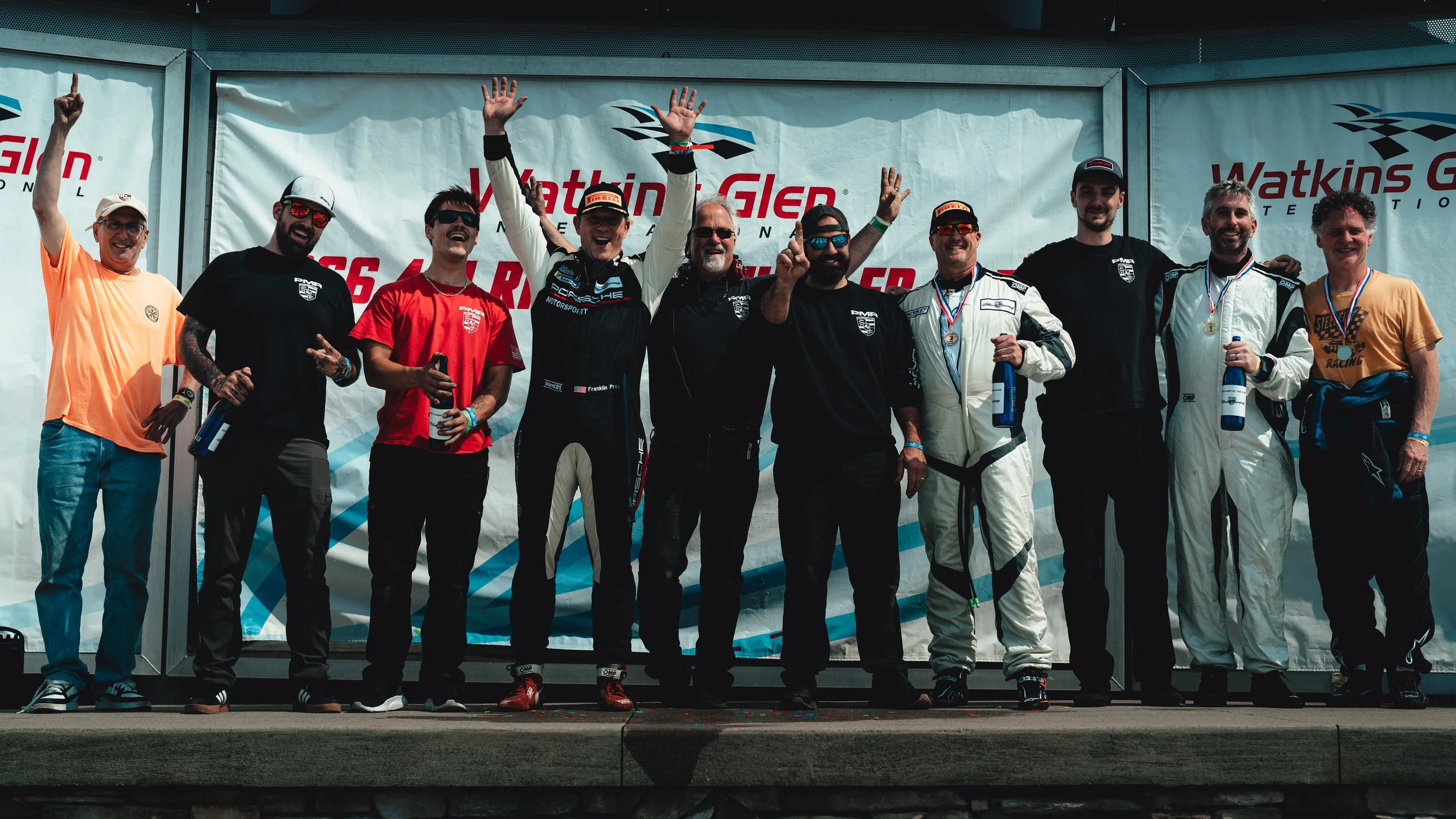
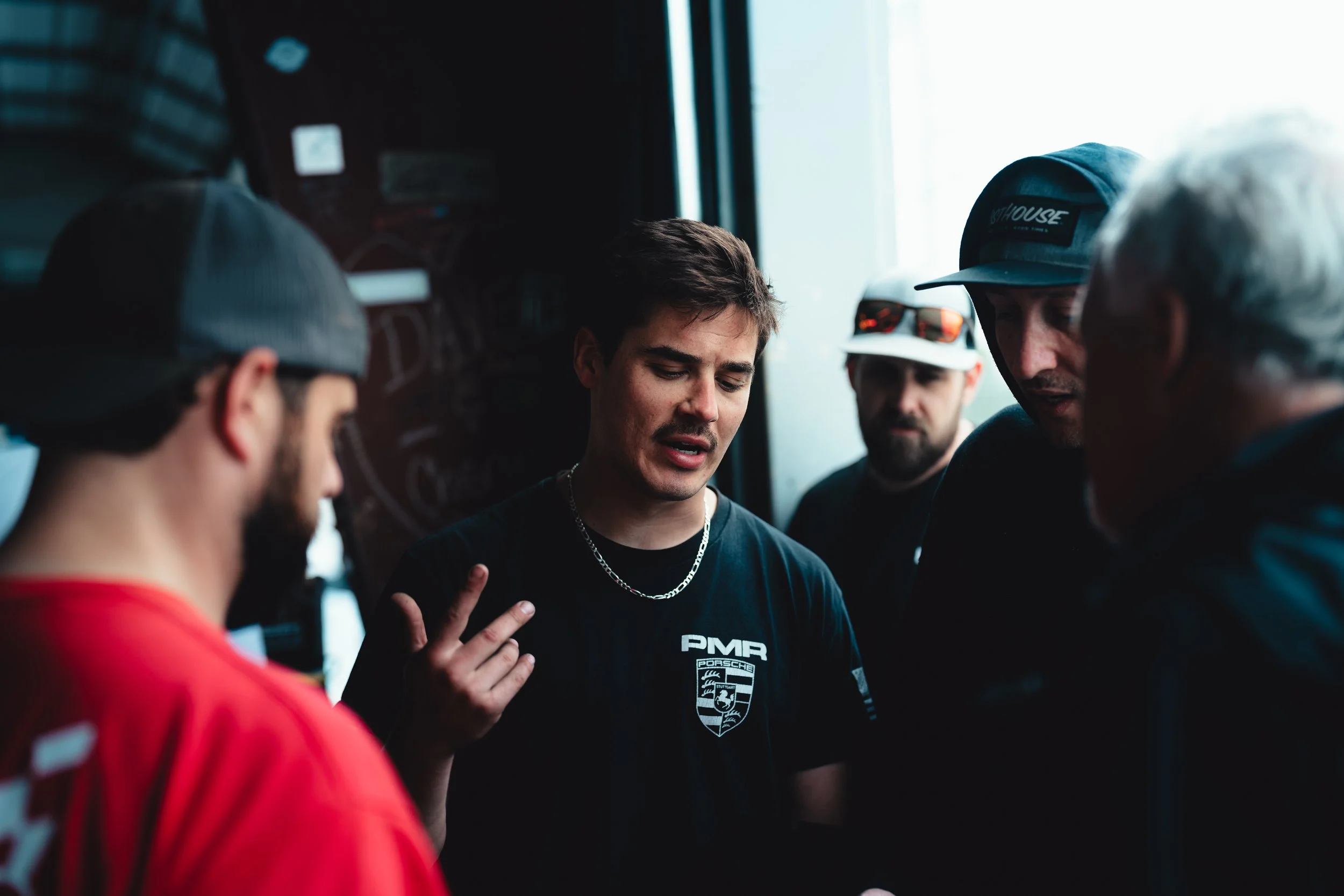
The team, (PMR) regrouped, redesigned now in bright red sitting inside a shroud, and relocated the switch. But the weekend—the one meant to balance a season of setbacks—was gone. It was now up to Franklin and PMR to rebuild and bring the tenacious spirit back to Summit Point Raceway, the following event. They did, and Franklin podiumed once again.
The Dopamine Factor
This is when the old helmet idea resurfaced. Because this wasn’t just about what happens in the helmet. It’s about what happens before it even goes on.
Control. Energy. Management. The way people ride their dopamine spikes like waves—only to crash when the tide turns.
Franklin does it differently.
“It’s not about trophies or rewards,” he told me later. “Those don’t mean much. It’s enjoying the journey, getting the dopamine release from the challenge we are in, knowing we (the team) were prepared, that performance was at its best.”
The Calm Approach
Franklin’s DNA has precision sports built into it—ski racing as a teen, competitive sailing later, then Skip Barber racing school in the late ’90s. He’s been club racing for 13 years now and has refined a personal philosophy: Performance comes from emotional equilibrium, focus on maintenance and controlled raise of the dopamine baseline, not adrenaline surges.
He avoids hype music, energy drinks, even the habit of catching up on work between sessions. “I used to keep an iPad in the race car, constantly reviewing data and live running positions against my competitors. I took it out. Too much noise.”
Instead, he walks the track, breathes in the environment, lets focus build slowly. No big highs, no big lows. Because every dopamine spike has a cost—the inevitable crash that follows.
“The track is my escape,” Franklin said. “I’ve got a stressful job. Racing gives me one thing to focus on. It’s relief. Total clarity.”
A Tough Year, a Steady Mind, a Strong Finish
This year has been brutal: a blown transmission at Sebring, an engine failure at Road Atlanta, then that foam-soaked DNF at the Glen. The fire suppressant even fried electronics, forcing extensive replacements before the car could return to competition. The team, PMR, was there every step of the way.
Yet, Franklin’s method never wavered. Prepare. Execute. Learn. Move forward. The following races had some top podium results for Franklin and he continues to drive strong in the 2026 season.
That mindset extends beyond Franklin. The team operates with the same measured discipline - knowing when to pivot, when to stay the course, and when to absorb loss without chasing noise. Racing, at this level, is a series of hard decisions made with incomplete information. Wisdom isn’t loud; it’s quiet, procedural and ruthlessly pragmatic.
The Takeaway
Dopamine isn’t visible, but it’s everywhere in motorsports. It’s the hit from a perfect lap, the gut-punch of a mistake, the wild swing of victory and defeat.
Franklin and the team chooses to smooth that curve, to keep the mental switch on steady instead of spiking it like a rollercoaster.
And maybe that’s the secret. Because racing isn’t just about speed—it’s about control. Of the car, the team, and most of all, yourself.